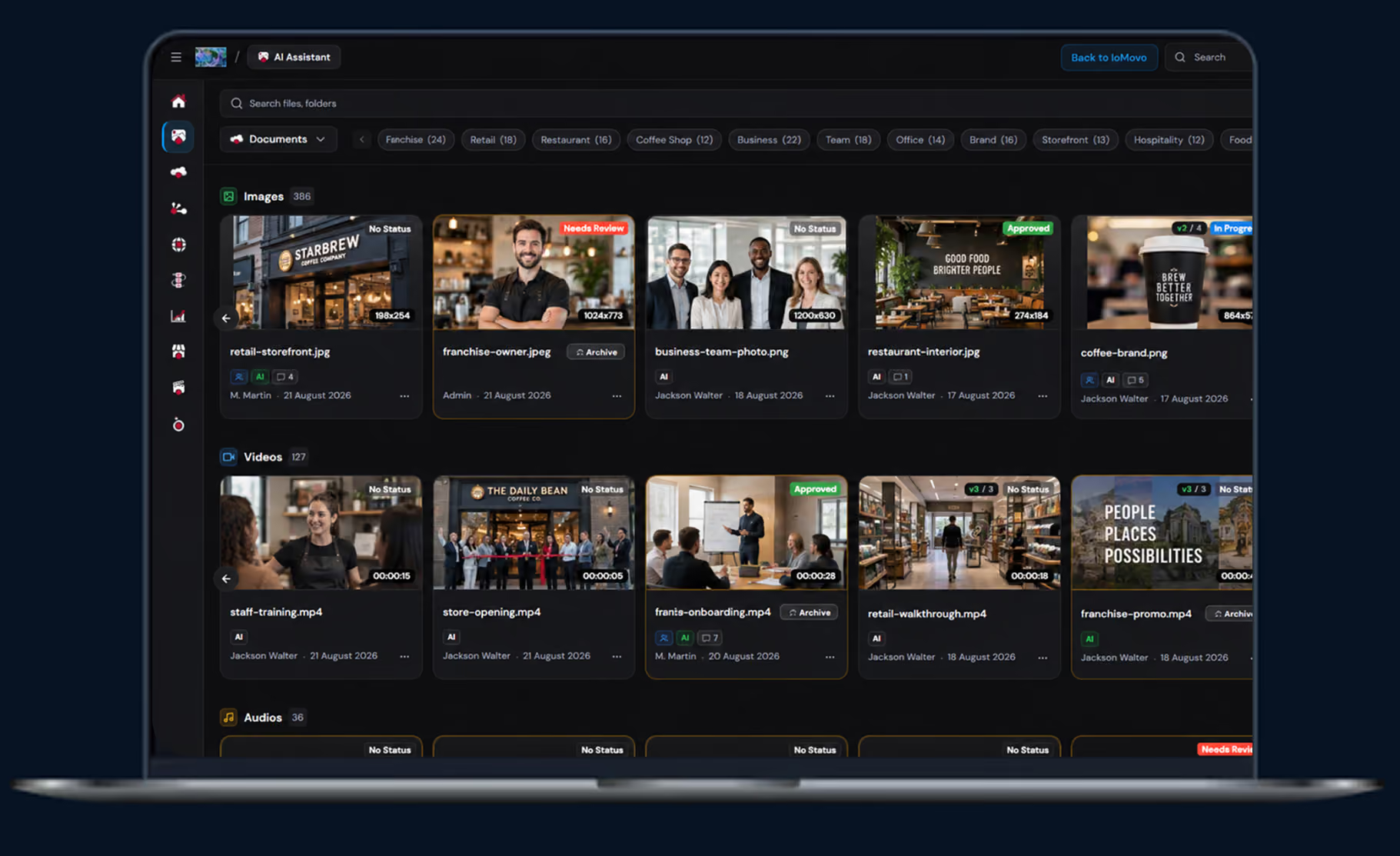
.svg)
Media and Entertainment Solutions Built on AI Video Search
ioMoVo's media and entertainment solutions apply vision and multimodal AI to your archive. Every minute of footage is transcribed, classified and indexed, so teams can find the exact moment they need with AI video search in plain language. High-volume video can be processed on your own GPU-accelerated infrastructure with no cloud egress fees. Editorial review and talent clearance run through approval workflows. Distributors and talent can contribute back through no-code portals. There's no migration: ioMoVo connects to the storage and tools you already use.

SOC 2 Type II attested
No migration
On-premise video AI
Two-way distributor portals
Why Media & Entertainment Teams
Choose ioMoVo

AI video search at media scale
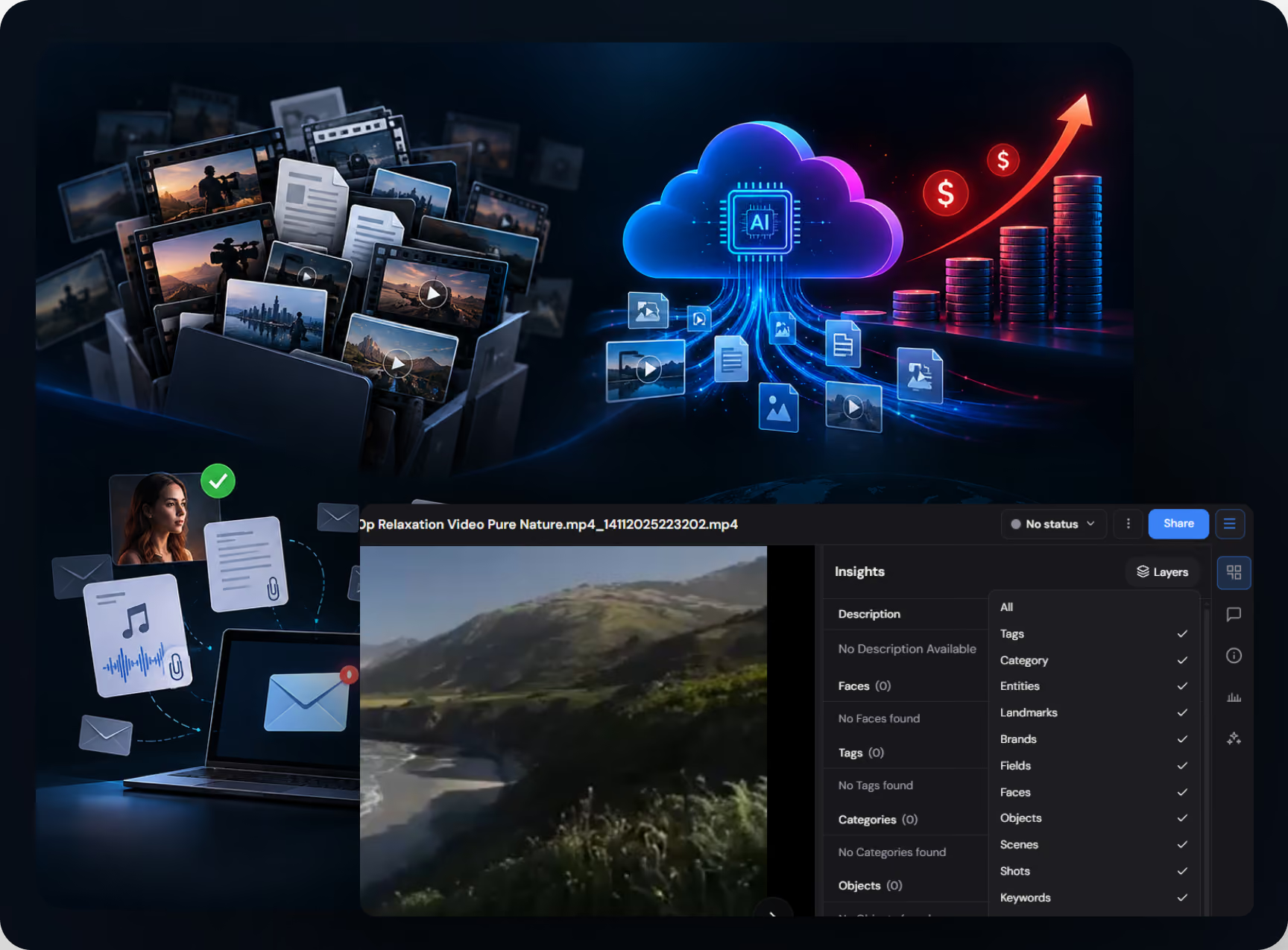
Transcription, scene classification and semantic search across your whole archive library, with results anchored to timecode.

On-premise video AI economics
High-volume video is processed on your own hardware, so there are no cloud egress costs as volume grows.

Editorial review built for video
ioFlow runs review and approval cycles with comments pinned to timecode, not just to the file.

Two-way distributor and talent portals
Contributors send content and feedback back through the same channel you deliver on.
What is AI Video Search?
AI video search finds specific moments inside video, not just files with matching titles. Instead of relying on manual tags, it indexes three things:

What is said: transcription of speech.

What appears on screen: objects, scenes and on-screen text.

What the content means: semantic understanding of the footage.
AI video search finds specific moments inside video, not just files with matching titles. Instead of relying on manual tags, it indexes three things:
AI Video Search for Media Archives
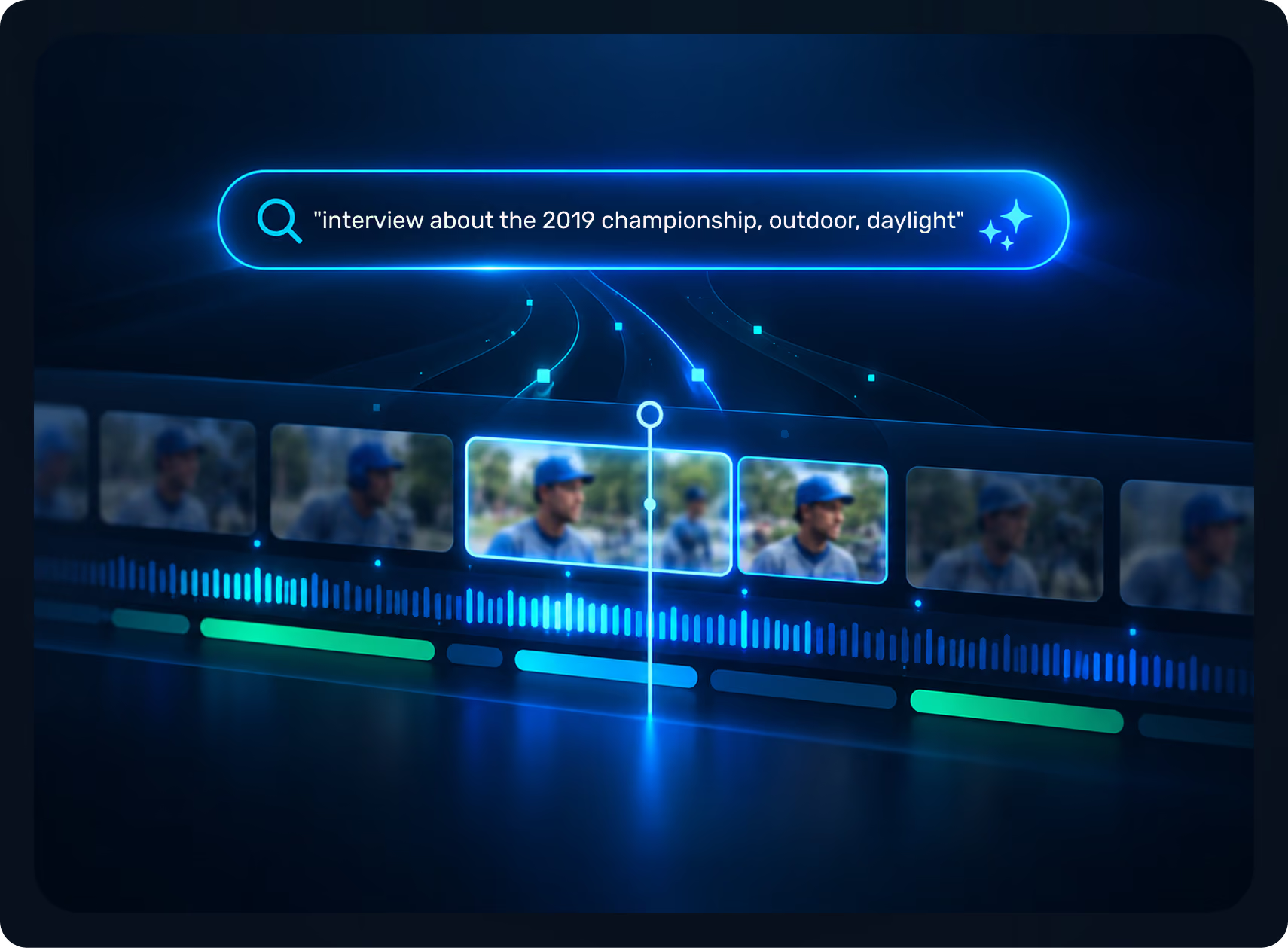
Media archives are vast, and historically they have been unsearchable. ioMoVo applies vision, audio and multimodal models to transcribe video, classify scenes and identify content types. Once that's done, any moment in your archive footage can be found with AI video search in natural language. The archive becomes a creative resource instead of a storage cost.
Vision, audio and multimodal AI for media
The model stack covers:
YOLO for object detection in video
BioCLIP for vision-language classification, including species identification in wildlife and nature footage
Whisper for transcription at scale
Custom vision-language models for genre and content-type classification
Processing can run on sovereign, GPU-accelerated on-premise infrastructure, which keeps high-volume video on your hardware and off the cloud egress bill. For hosted AI, you can bring your own LLM.
Editorial and talent clearance workflows
ioFlow runs editorial review with comments anchored to video timecode, not just paragraph-level notes. Talent clearance and music licensing approvals move through the same workflows, with rights tracking and a full audit trail.
Today: approval chains, task assignments and audit trails.
On the roadmap: a visual workflow builder and AI-driven automation.
Distributor and talent portals
ioPortal delivers content to distributors, broadcasters and platforms with full chain of custody. Collaboration runs both ways:
Talent submits content back.
Distributors upload review feedback.
Agencies contribute creative assets.
Approved content syncs into ioCloud with full version history.
See AI video search on footage like yours.
Book a DemoGetting Started in Three Steps
Connect
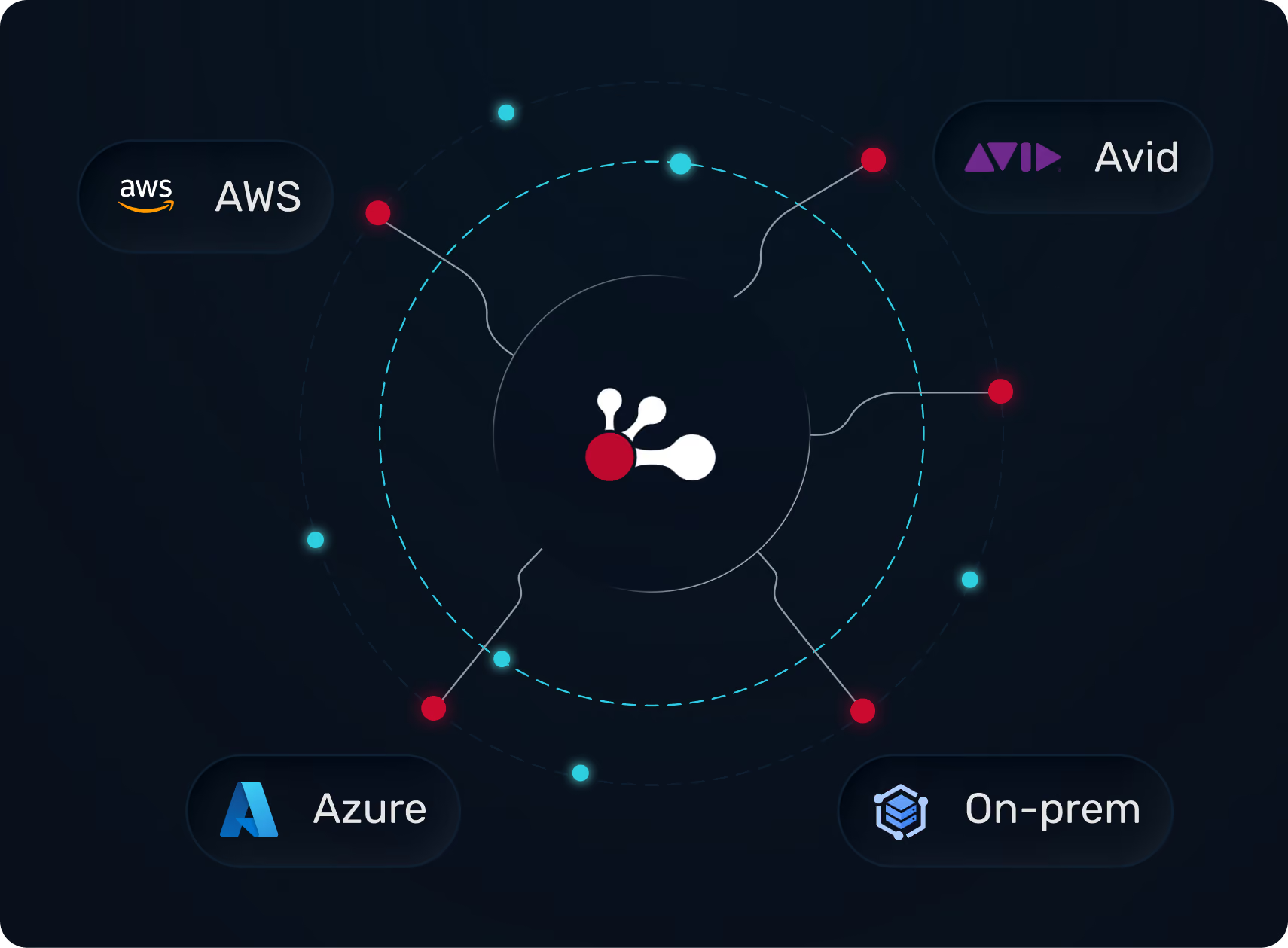
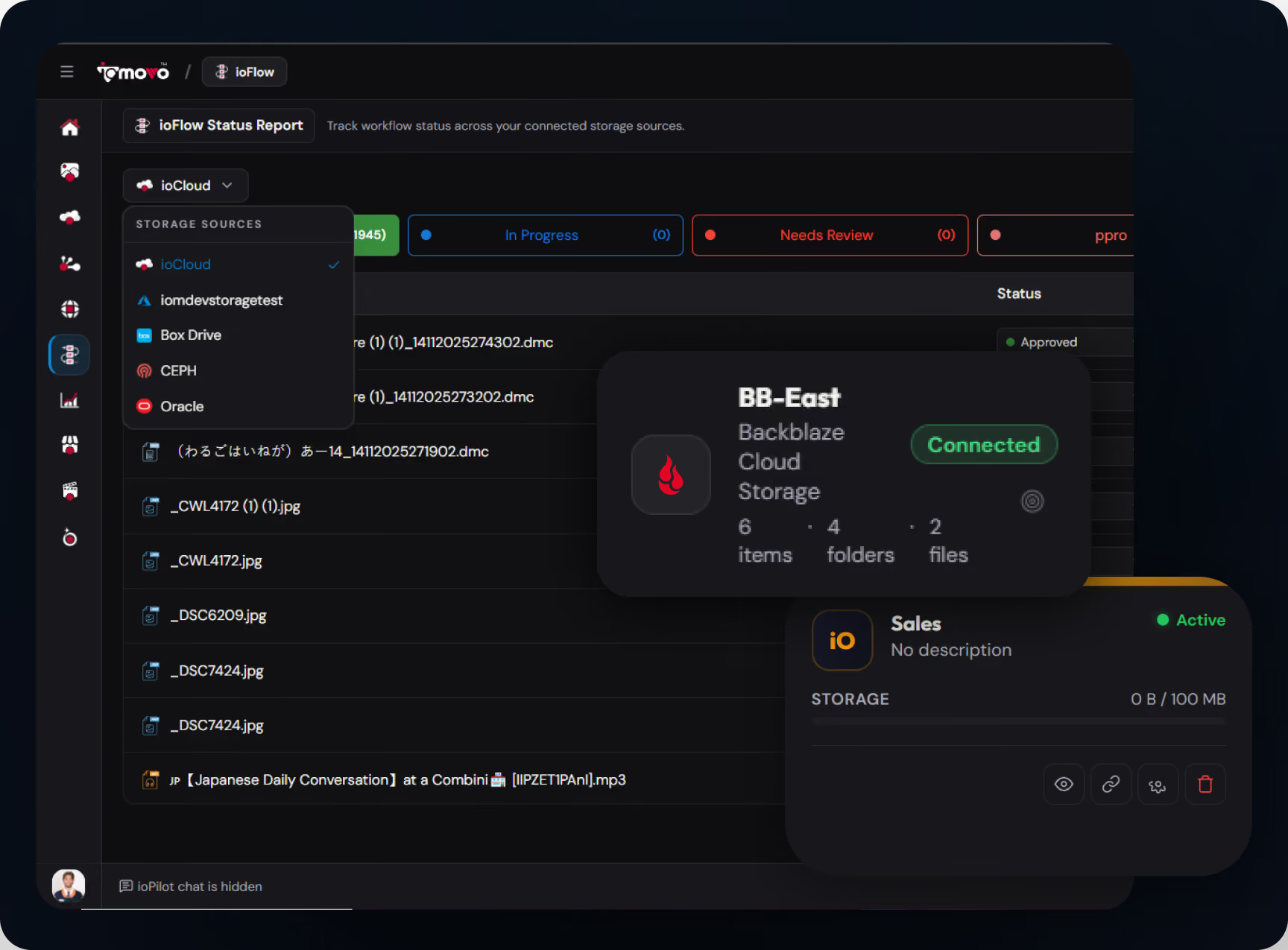
ioHub links the storage your footage already lives in, across cloud, on-prem and hybrid environments. Nothing is copied or moved.
Index
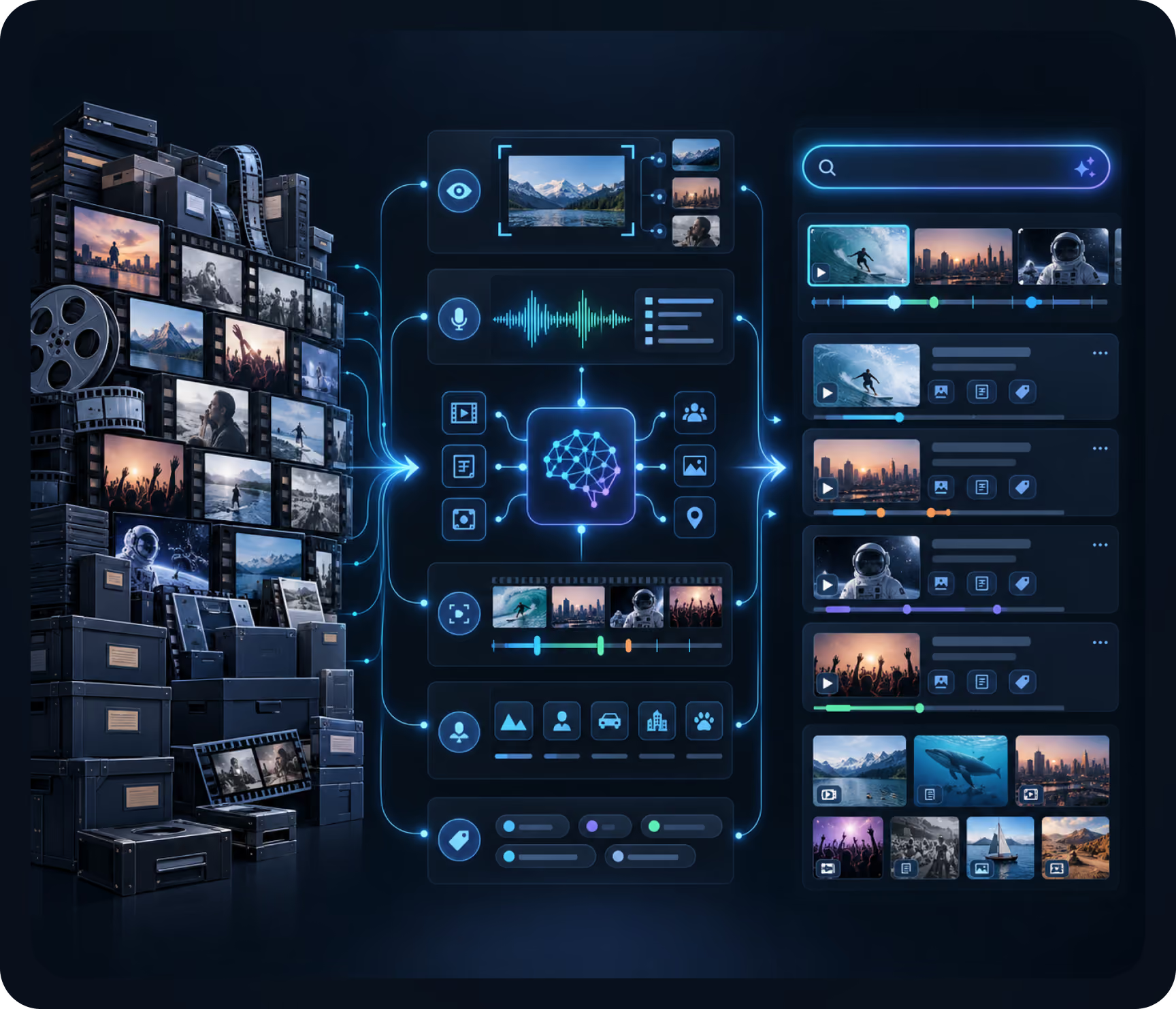
Vision, audio and multimodal models transcribe, classify and tag your footage. That processing runs on your own GPU infrastructure or through the LLM provider you choose.
Search and deliver
Teams find moments with ioPilot, browse in ioGallery, route approvals through ioFlow, and deliver through ioPortal.
How ioMoVo's Media and Entertainment
Solutions Work
ioMoVo is a cloud-native AI content platform with six modules and a capture layer.


Store. Organize. Govern.

Connect. Index. Federate.
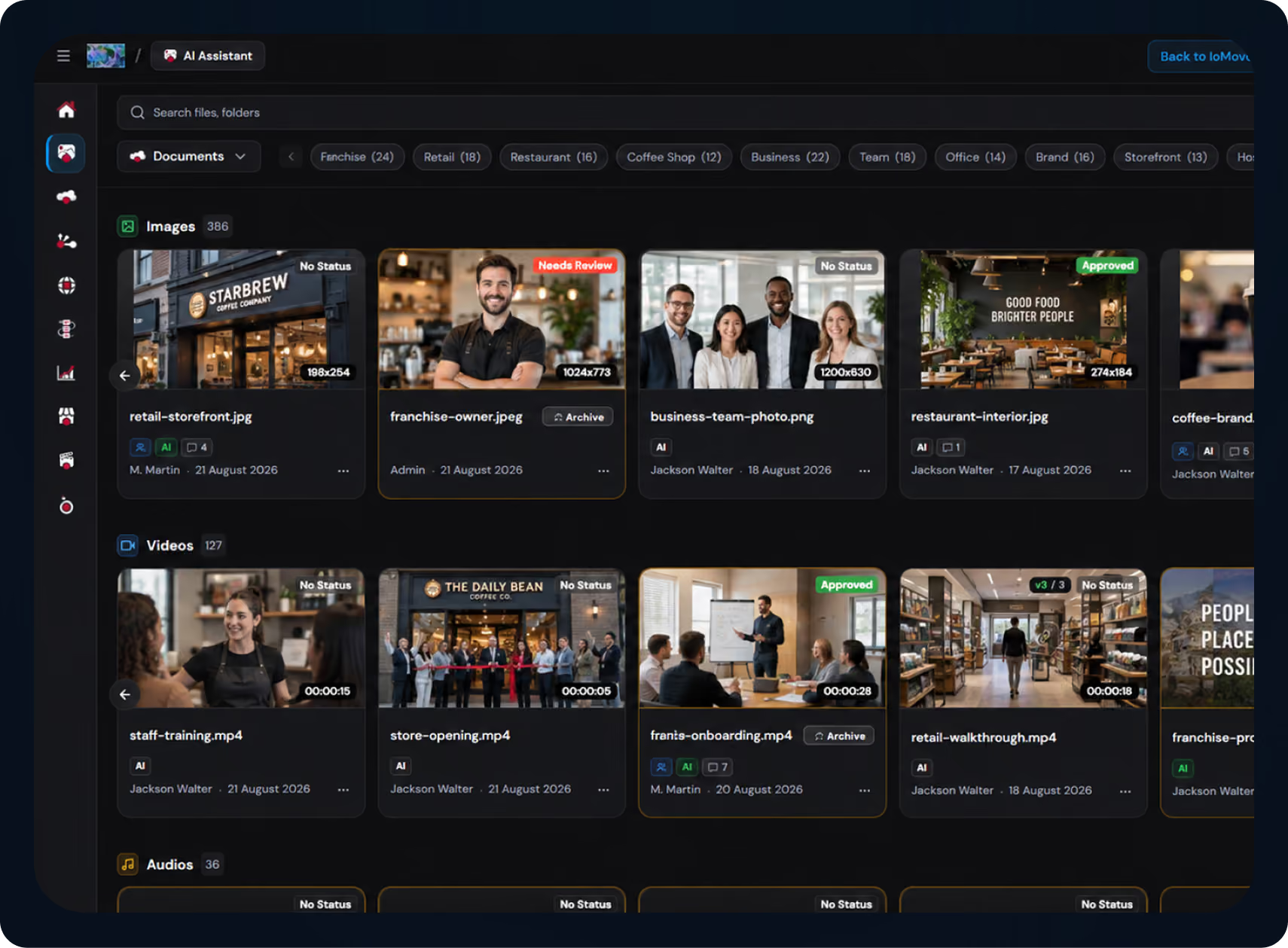

Browse. Organize. Discover

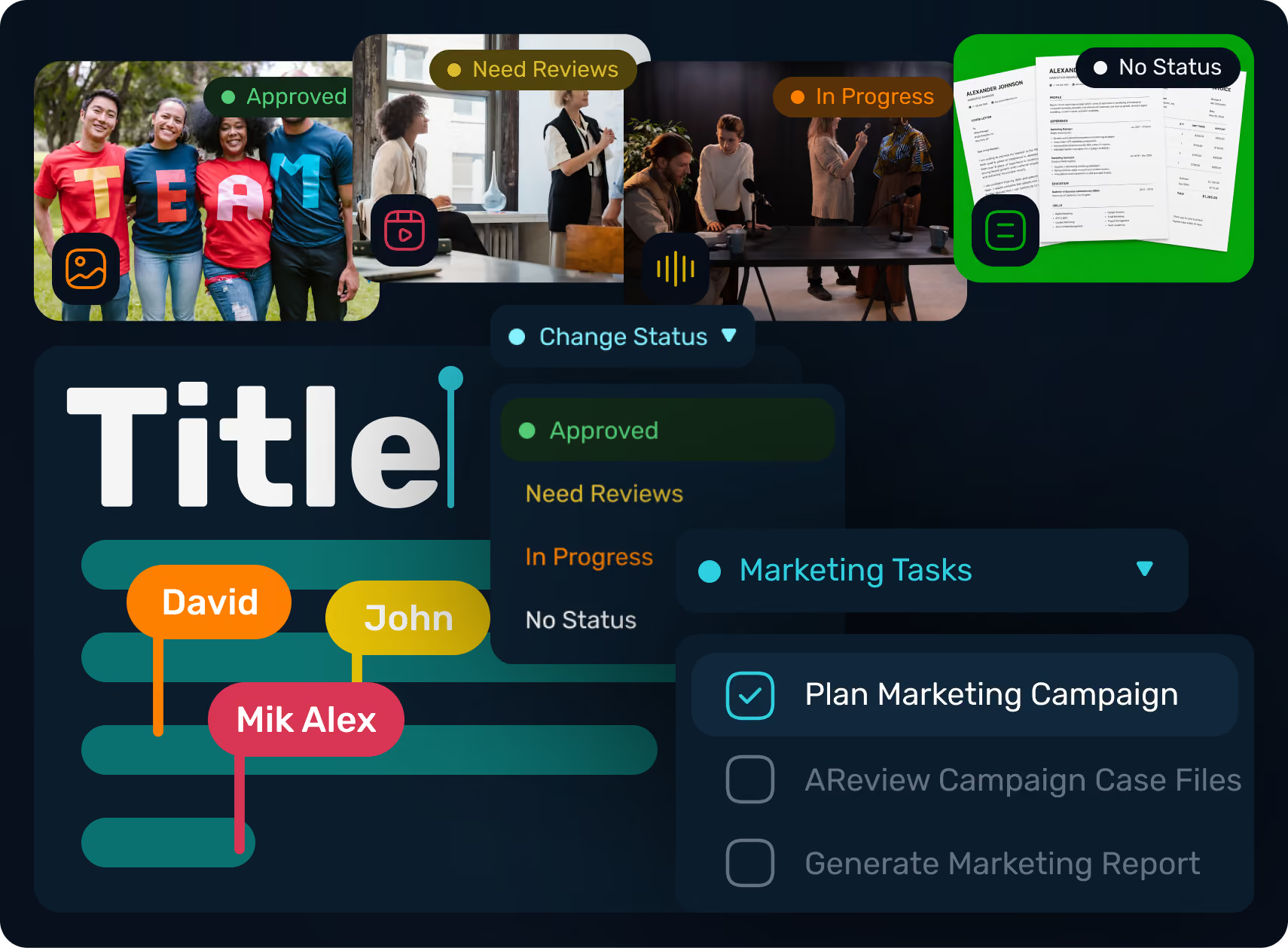
Automate. Orchestrate. Deliver.
Today: approval chains, task assignments, asset lifecycle automation, settings-based event triggers and audit trails.
On the roadmap: a visual workflow builder and AI-driven automation.
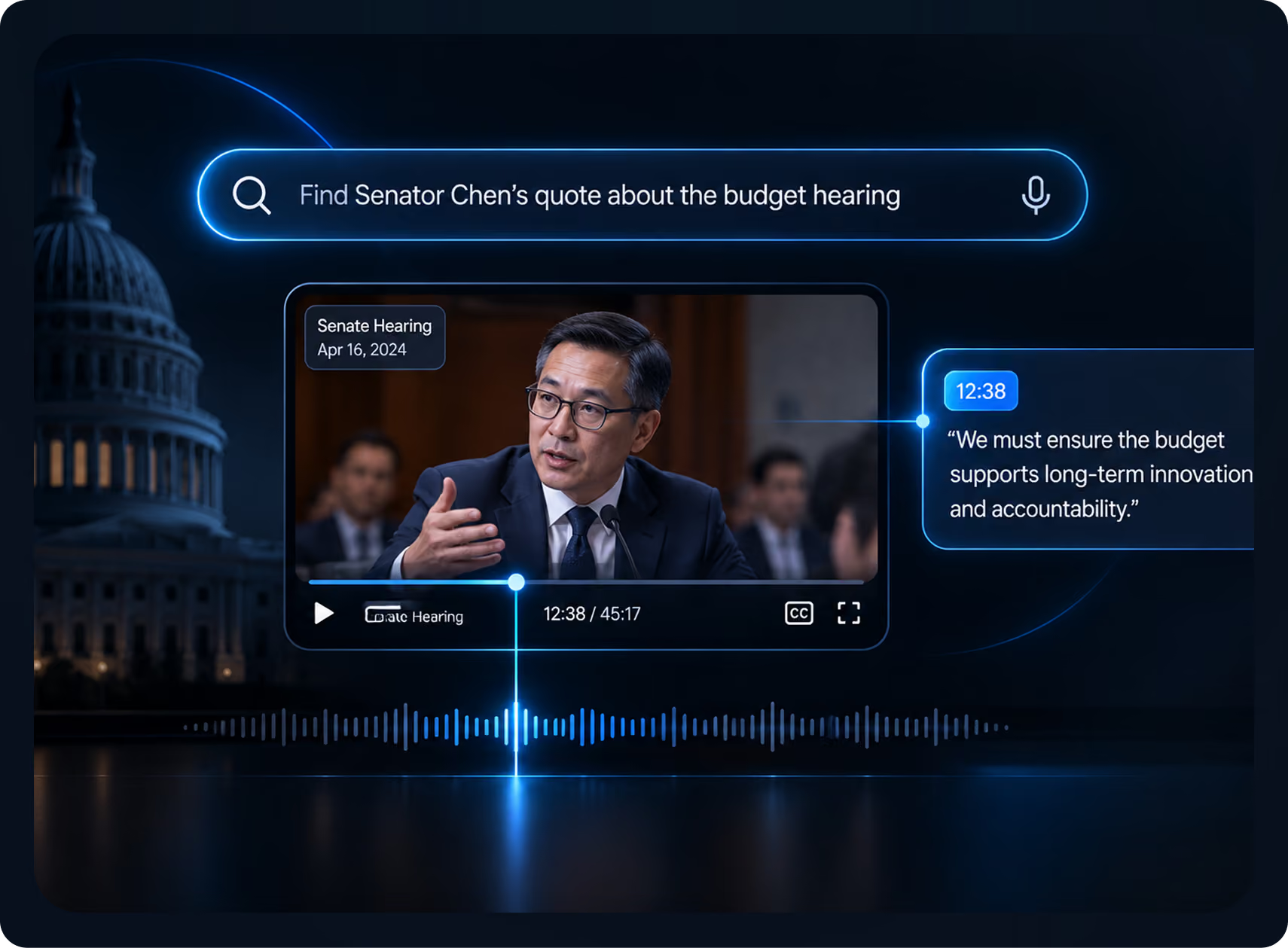

Chat. Discover. Act.

Share. Collaborate. Engage.
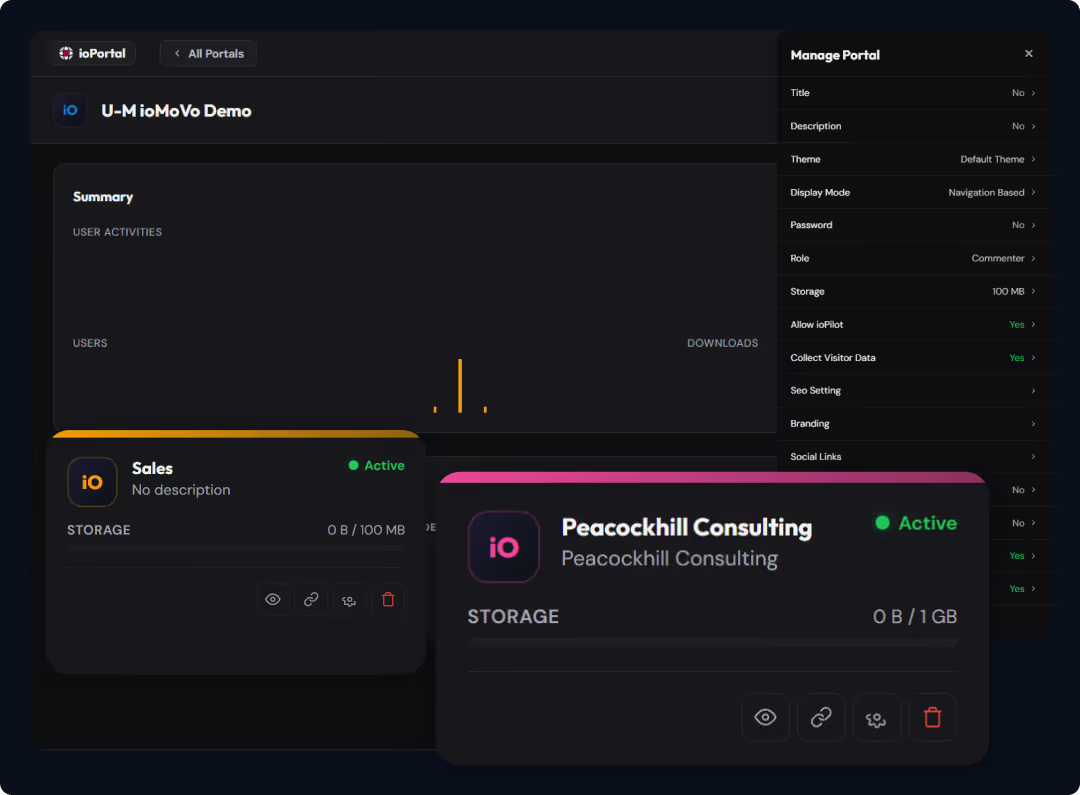
Branded, Secure Sharing


Capture Anywhere. Create Instantly.
Ingest Seamlessly.
Built for Media-Scale Content Realities
What we hear from M&E teams:

Archive footage is unsearchable, and transcription and tagging projects never finish.
Cloud AI processing costs become unsustainable at media-scale volume.
Editorial review tools handle text but not video timecodes.
Talent clearance and music licensing run over email, with no audit trail.
Distributors receive one-way deliveries, and anything coming back arrives over FTP.
How ioMoVo solves it:
Vision, audio and multimodal AI transcribes, classifies and indexes video at scale. ioPilot and ioGallery make the whole archive searchable and browsable.
On-premise GPU processing removes cloud egress costs for high-volume video.
ioFlow runs editorial review with comments anchored to timecode.
Talent clearance and music licensing are routed through ioFlow with full audit trails.
ioPortal supports two-way distributor and talent collaboration with full chain of custody.
Follow our blog for the latest media asset management news, including ioMoVo platform updates and production AI developments.
What This Looks Like in Practice

Studios and post-production
Archive intelligence and editorial review across film and TV libraries. Vision AI handles shot classification, and ioFlow runs editorial approval cycles. For marketing teams managing key art and campaign materials, see brand asset management.

Broadcast and streaming
AI video search across news archives, talent clearance and music licensing workflows, and distributor portals.

Sports and live events
Live capture through the Capture Layer. Transcription and tagging start as content arrives, so key moments are ready for highlight review.

Documentary and natural history
Search across project footage and archives, source material discovery through semantic search, and species identification in wildlife footage with BioCLIP.
Core Capabilities
AI video search
Transcription, scene classification and semantic search, with results anchored to timecode through ioPilot.
AI tagging and visual discovery
Auto-generated metadata for objects, scenes, speech and on-screen text. Tagged assets can be browsed and filtered in ioGallery.
On-premise video AI
GPU-accelerated processing on your own hardware, with air-gapped options and no cloud egress costs.
Editorial and clearance workflows
ioFlow handles timecode commenting, talent clearance and music licensing approvals, all with audit trails.
Two-way distributor and talent portals
No-code ioPortal channels for distribution and contribution, with chain of custody.
Federated storage, no migration
ioHub indexes footage where it already lives, across cloud, on-prem and hybrid storage.
Creative tool integrations
Adobe Creative Cloud and Microsoft 365 add-ins put approved assets inside the tools your teams already use.
Live and field capture
The Capture Layer records events, behind-the-scenes footage and talent recordings straight into the governed library.

Frequently Asked Questions

AI video search and archive intelligence, on-premise video AI processing, editorial and talent clearance workflows in ioFlow, and two-way distributor and talent portals in ioPortal. ioMoVo connects to the storage you already run, so none of it requires migrating your archive.

ioMoVo's vision, audio and multimodal models make footage searchable in several layers:
Object detection with YOLO
Vision-language classification with BioCLIP
Transcription with Whisper
Genre and content classification with custom vision-language models
ioPilot then answers natural-language queries with results anchored to timecode, and ioGallery lets teams browse and filter what the AI has tagged.
Many archive platforms require you to move footage into their storage before it can be searched. ioMoVo indexes footage where it already lives and runs AI processing on your own hardware if you choose. Your index stays on your storage. That means no migration project, no egress bill for processing, and no lock-in on your metadata.
Yes. ioMoVo orchestrates open-source models on GPU-accelerated on-premise infrastructure for transcription, classification and vision tasks, so footage never makes a cloud round trip. Air-gapped configurations are supported.
Yes. ioFlow handles comments anchored to timecode natively, not just paragraph-level notes. Editorial review, talent clearance and music licensing all route through ioFlow with full audit trails. A visual workflow builder and AI-driven automation are on the roadmap.
Yes. Distributors upload review feedback, talent submits content back, and agencies contribute creative assets. Approved content flows into ioCloud with full version history.
No. ioHub connects to the cloud, on-prem and hybrid storage you already use, including Frame.io, Avid, AWS and Azure. It indexes footage where it sits.
Yes. The Capture Layer records audio, video, images and screen recordings directly into ioCloud or through ioHub, and transcription and classification run automatically as content arrives.
See AI video search on content like yours
Book a 15-minute walkthrough. We'll show you vision and multimodal AI on representative footage, timecode-anchored search in ioPilot, and on-premise processing economics modeled for your volume. You'll see how ioMoVo's media and entertainment solutions fit your archive without a migration.