.svg)
AI Video Search and Archive Intelligence for Media & Entertainment
ioMoVo applies vision and multimodal AI to media archives — transcribing, classifying, and making content searchable through natural language. NVIDIA DGX Spark for high-volume on-prem video processing without cloud egress costs. Editorial and talent clearance workflows. Distributor and talent collaboration portals with two-way contribution.
Why Teams Choose ioMoVo for Media Library
Media libraries grow faster than the tools meant to manage them. Recorded events, archives, marketing footage, training materials, and historical content sprawl across cloud drives, on-prem storage, and disconnected systems. Search becomes guesswork; governance becomes manual; institutional memory becomes inaccessible.
ioMoVo unifies it. Six modules plus a Capture Layer coordinate AI tagging, federated indexing, workflow automation, and external sharing across whatever storage your library lives in. AI-driven discovery makes every asset findable in seconds. Audit-by-default architecture preserves accountability. Customers report up to 70% reduction in manual content search and tagging effort.
Media Library Operations with Governed AI
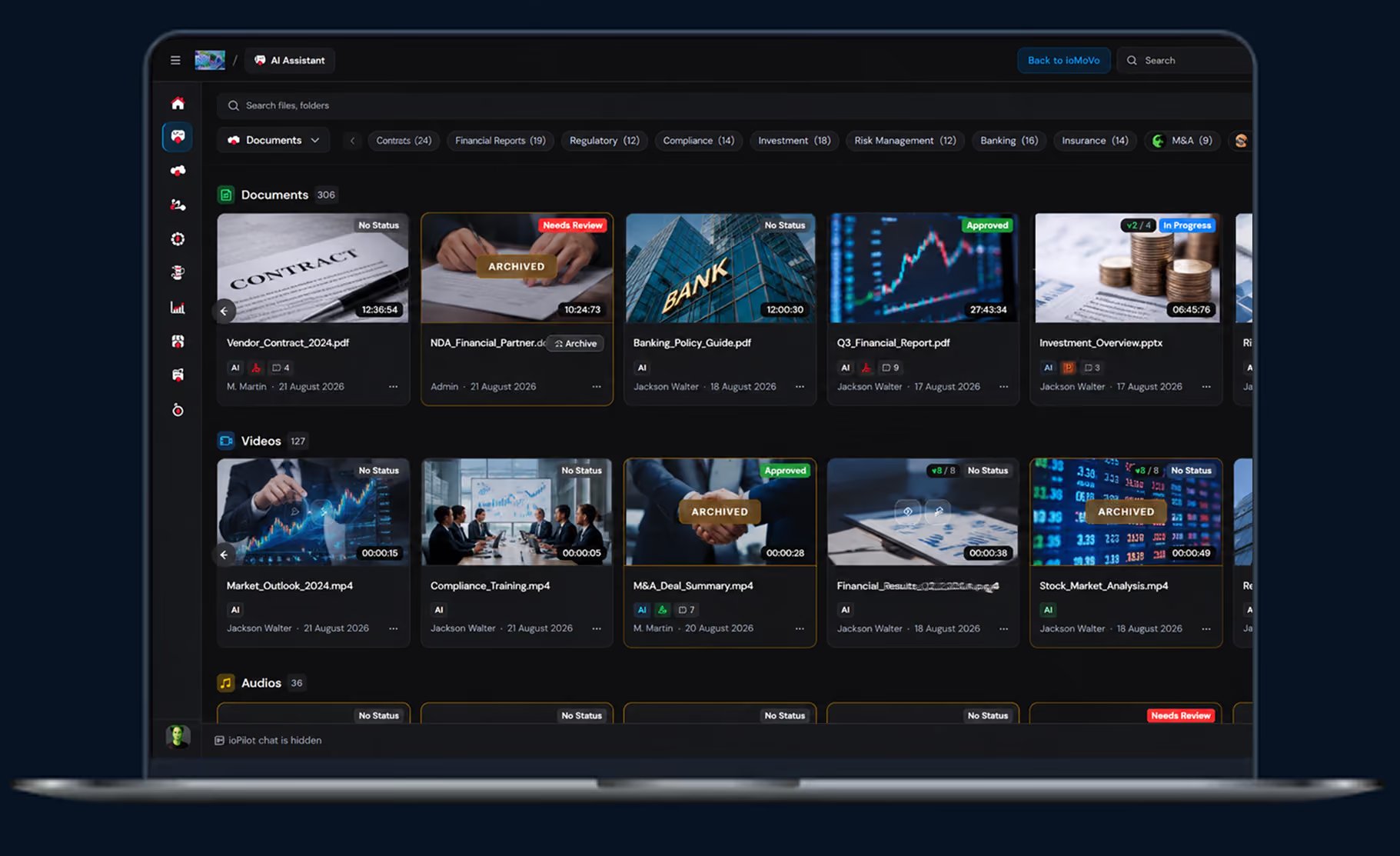
AI-driven library discovery
Vision and multimodal AI auto-tags every asset on ingest. Find specific clips by visual content, scene, speaker, or transcript text. Search across mixed file types — video, audio, images, documents — in a single query.
Document Intelligence for legacy materials
Document Intelligence OCR processes scanned archives, historical documents, course catalogs, and image-based files. PDF, DOCX, PPT, and image formats supported. Click-to-locate navigation jumps users directly to the matched content with visual overlay.
File-level AI for library users
io Assistant — a contextual AI companion embedded in every file preview — gives library users a per-file copilot. Web Search, Thinking, and Canvas tools available without leaving the asset.
Federated storage across mixed tiers
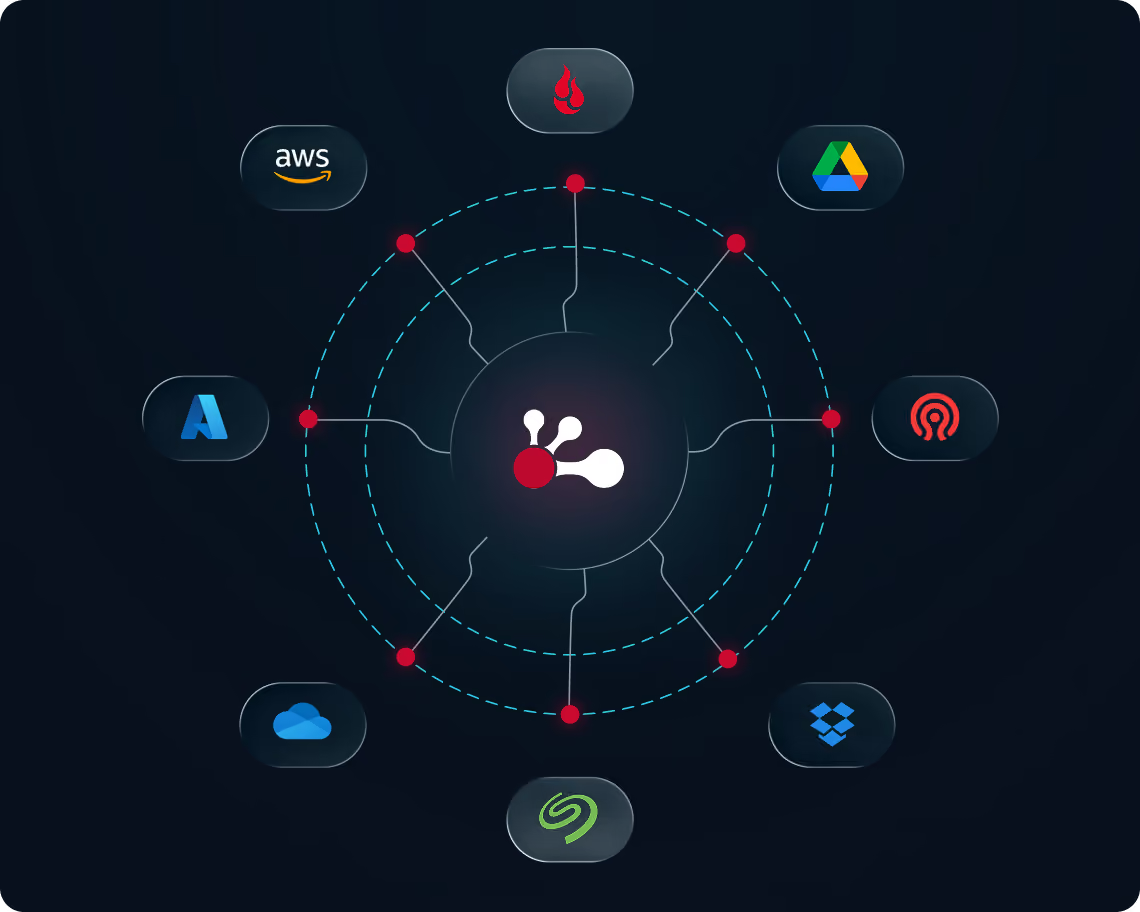
Three new connectors — Backblaze B2, Seagate, and Ceph — join existing connectors for AWS S3, Azure Blob, Google Drive, OneDrive, Dropbox, and on-prem object stores. Library content stays in place across mixed storage tiers; ioMoVo adds AI tagging, search, and workflow across all of them. No migration required.
Approval and lifecycle workflows
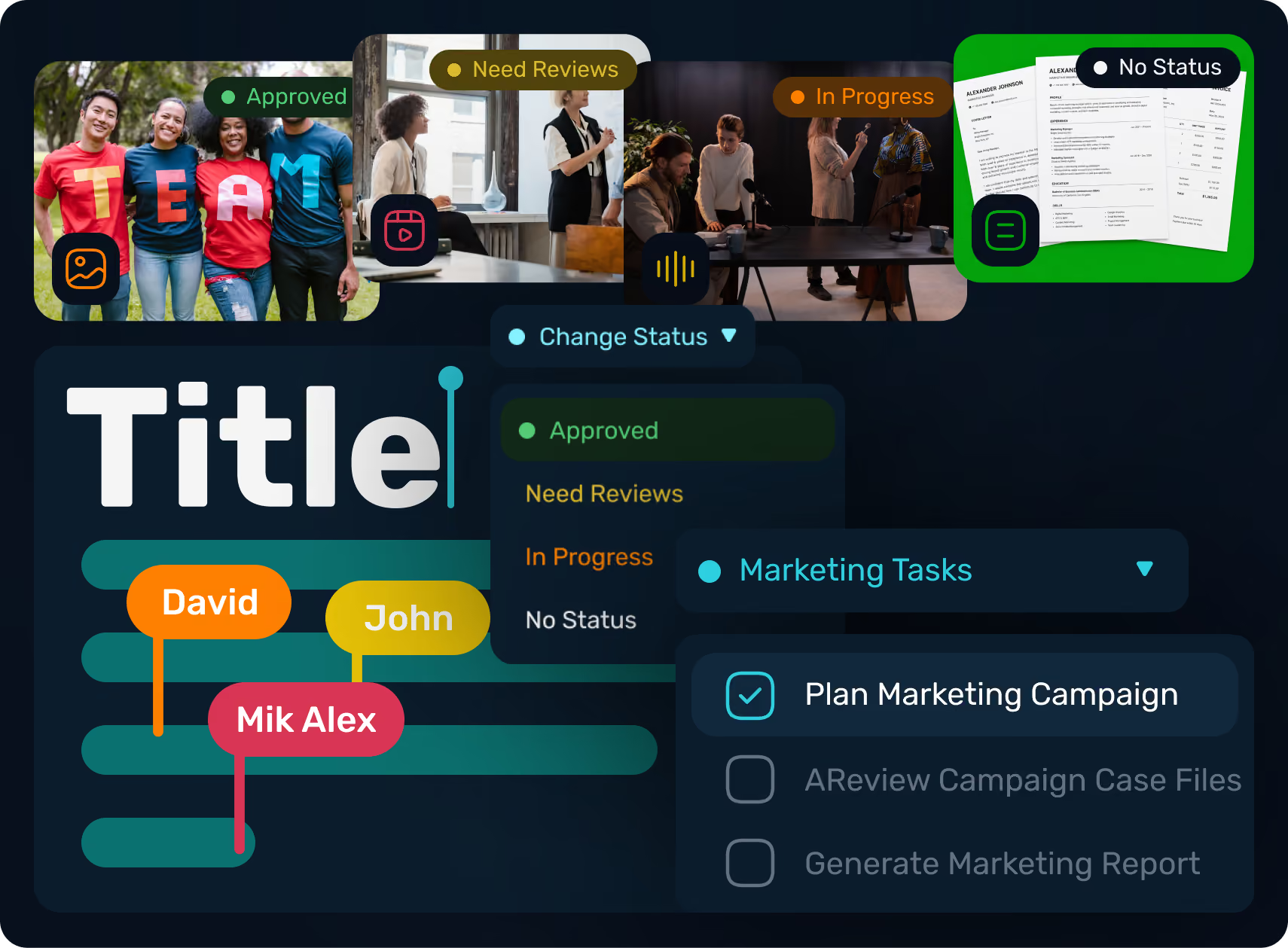
ioFlow orchestrates ingest workflows, content approval, retention scheduling, and archive policies. Audit trails on every action; conditional logic for multi-stakeholder review; automated routing for editorial cycles.
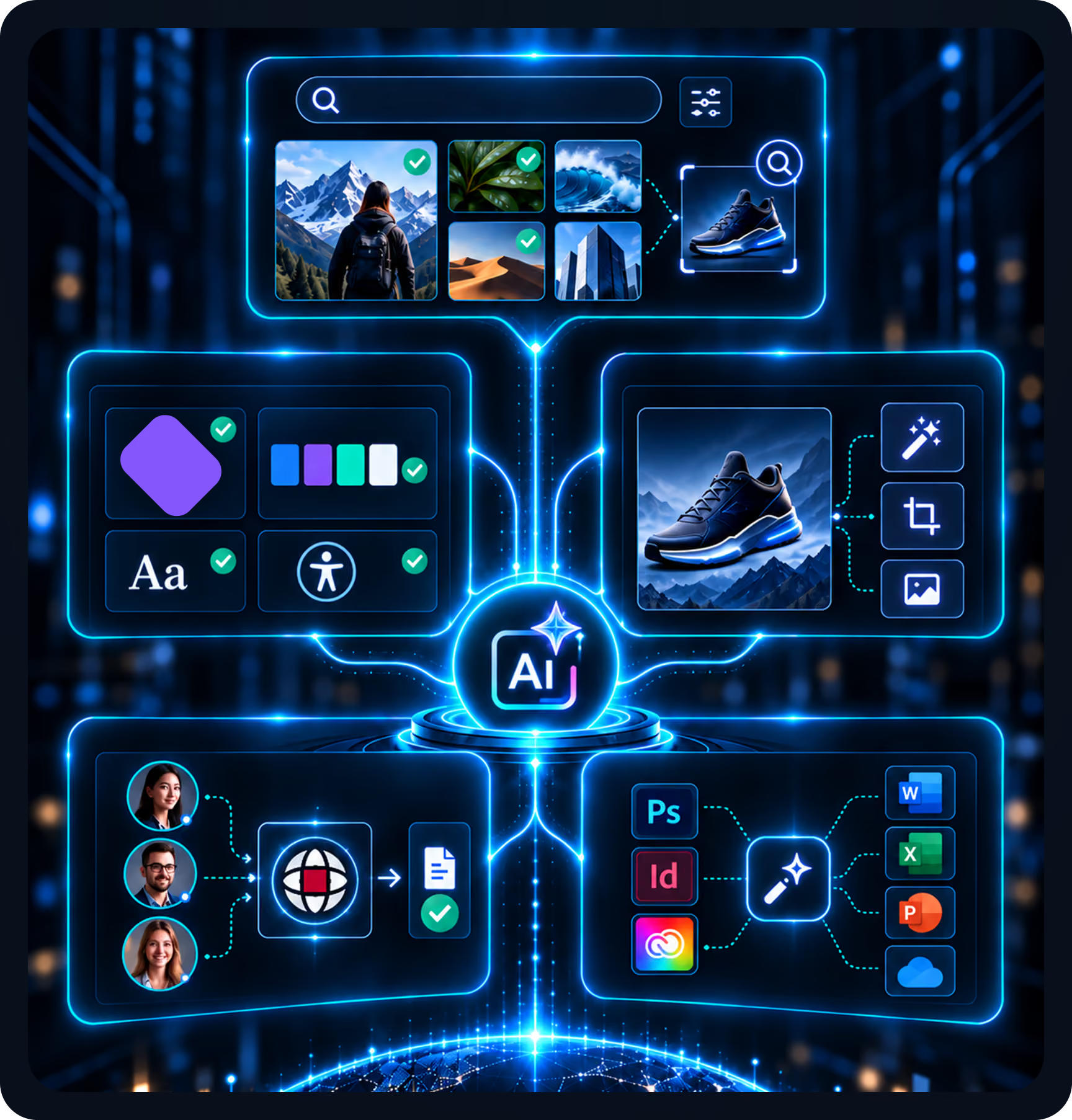
How the ioMoVo Platform Powers
Media Library Operations
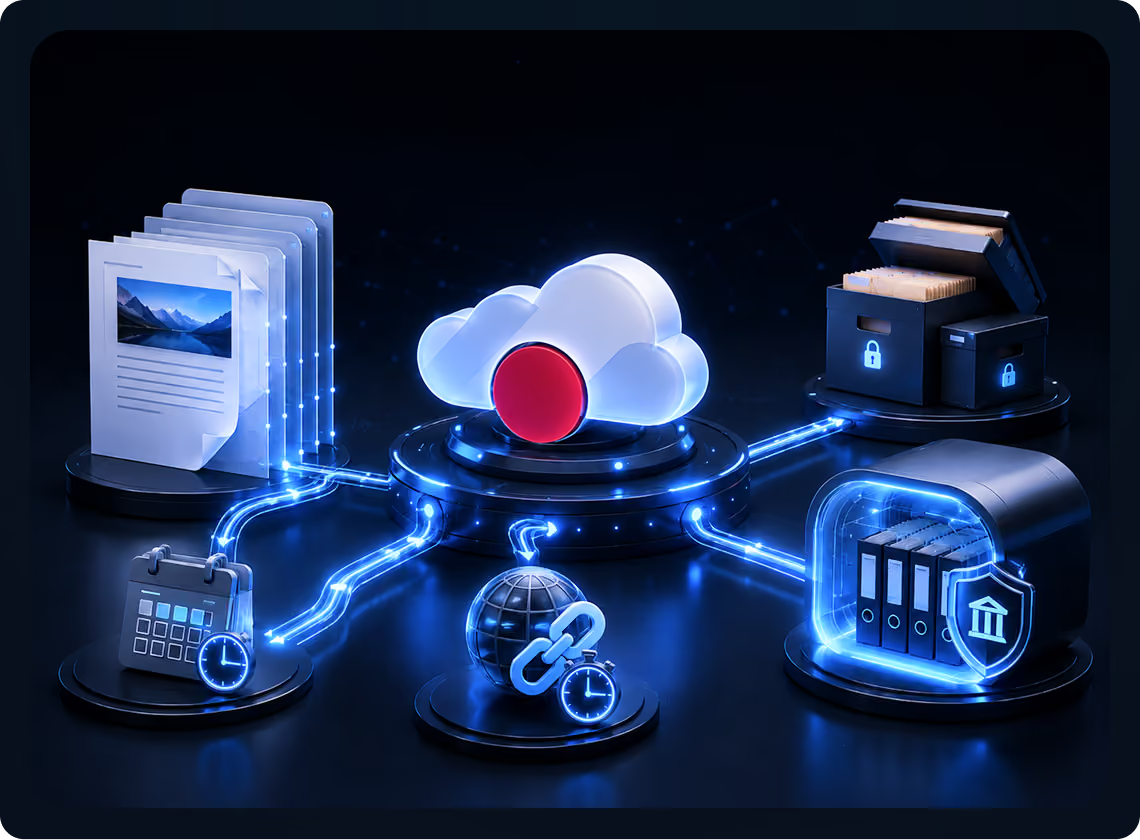

Store. Organize. Govern.

Connect. Index. Federate.
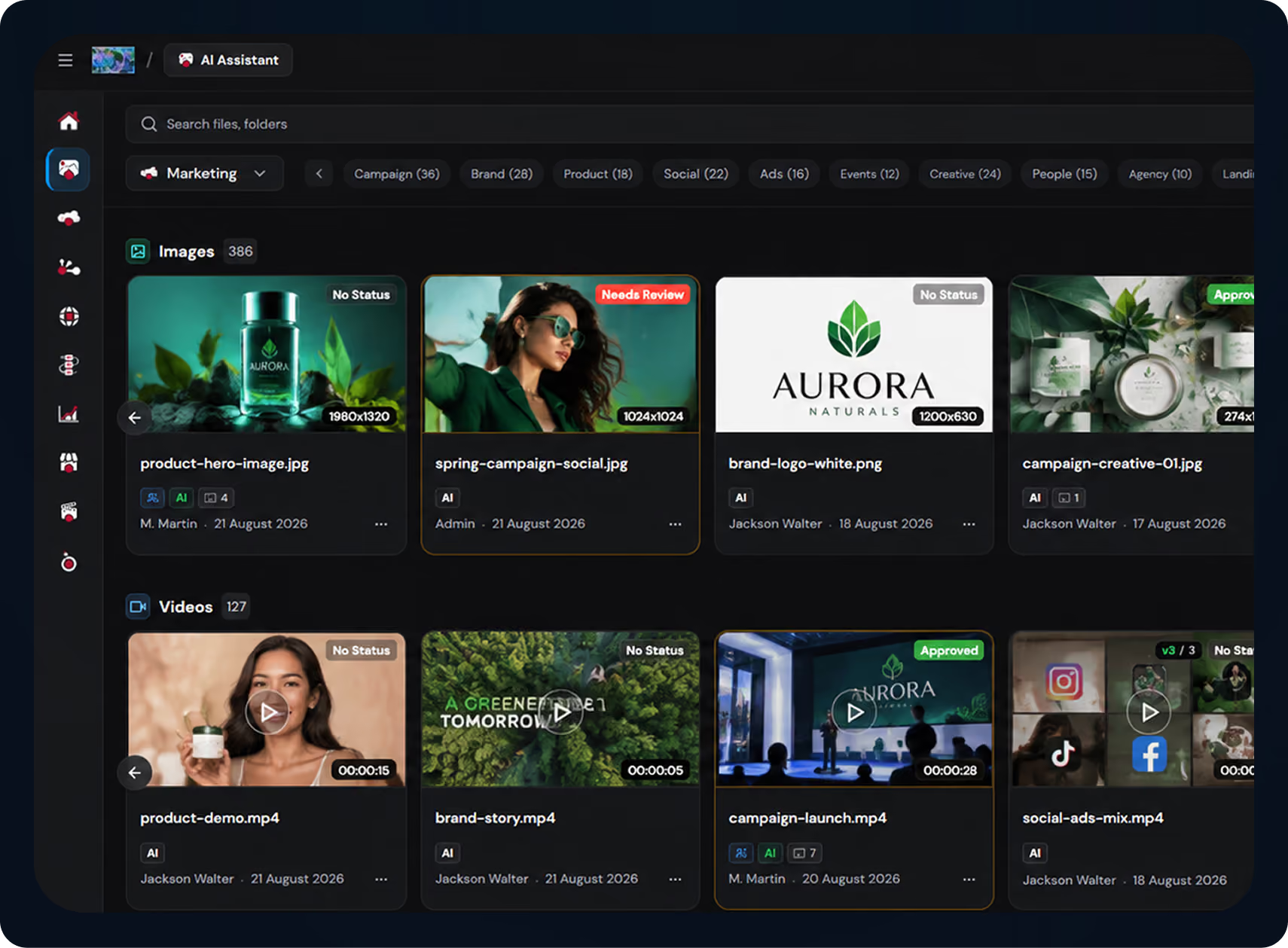

Browse. Organize. Discover

Automate. Orchestrate. Deliver.
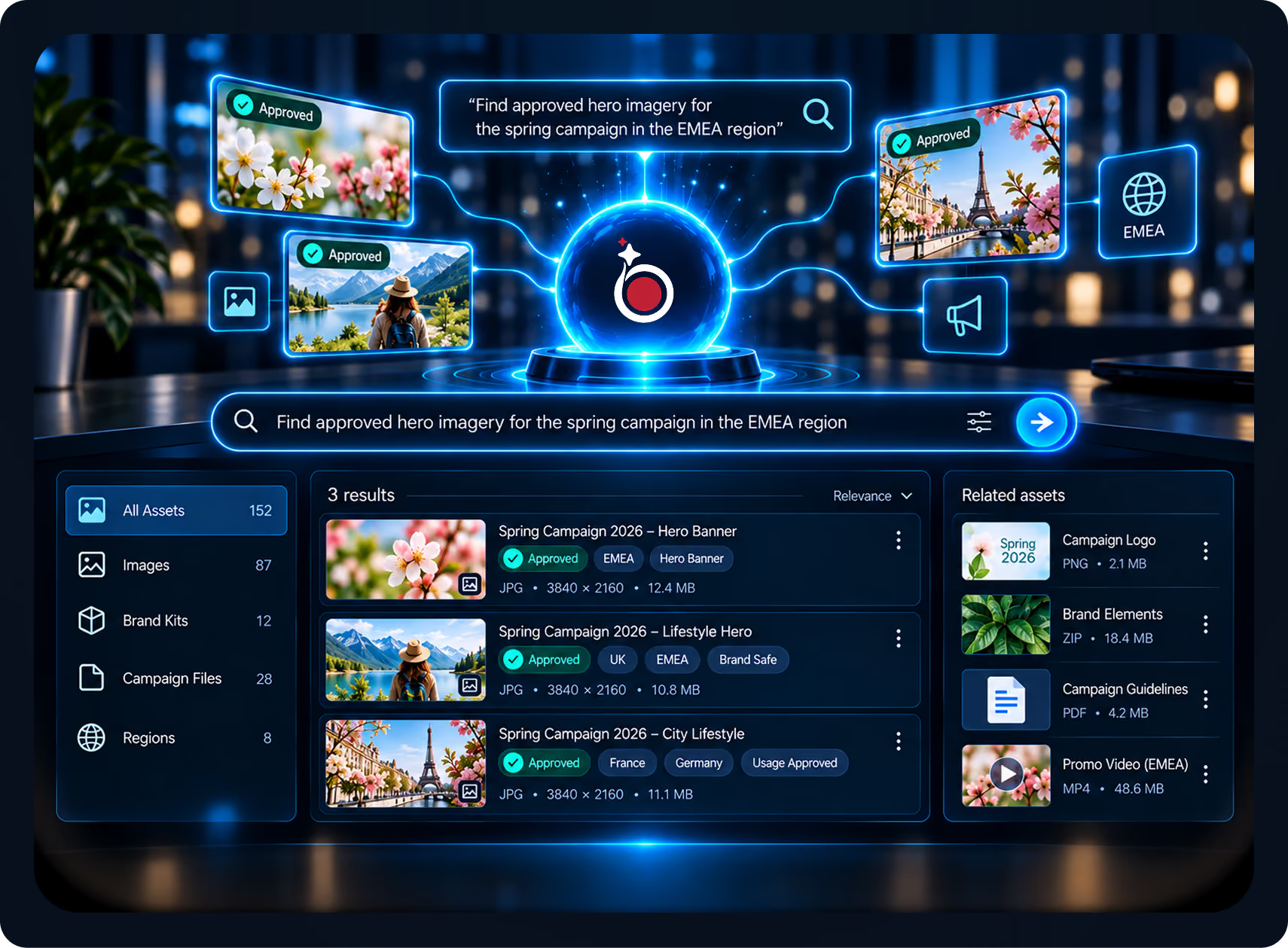

Chat. Discover. Act.

Share. Collaborate. Engage.
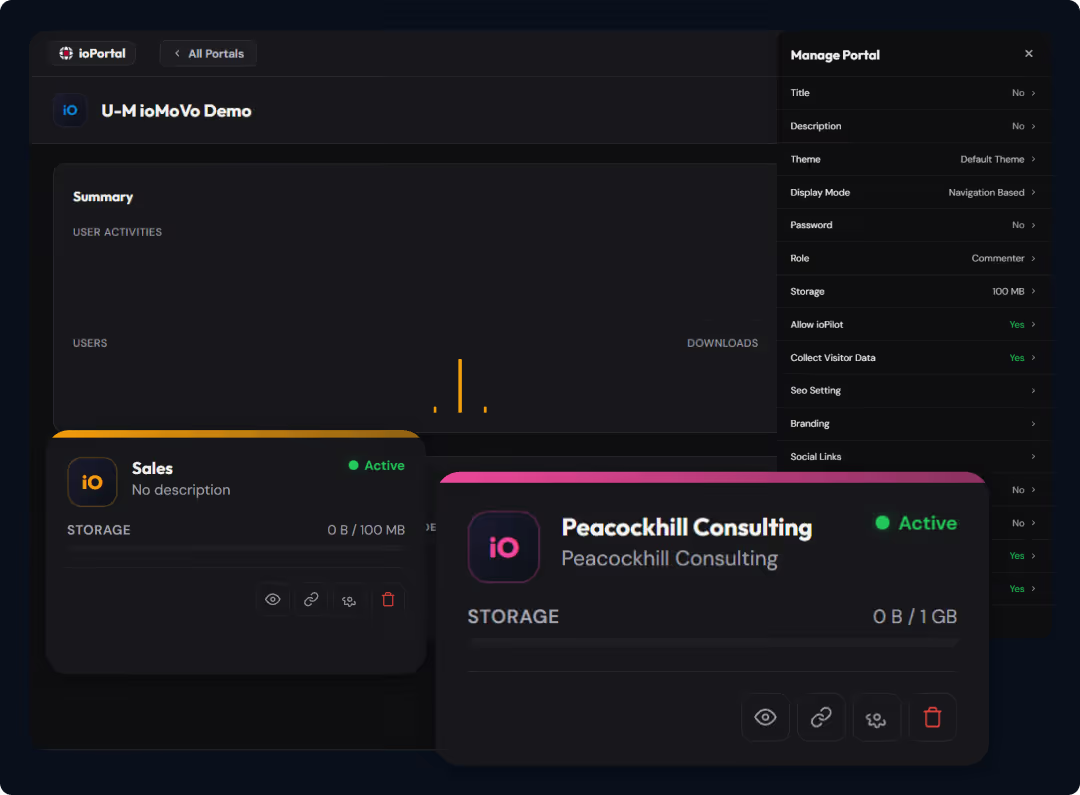
Branded, Secure Sharing
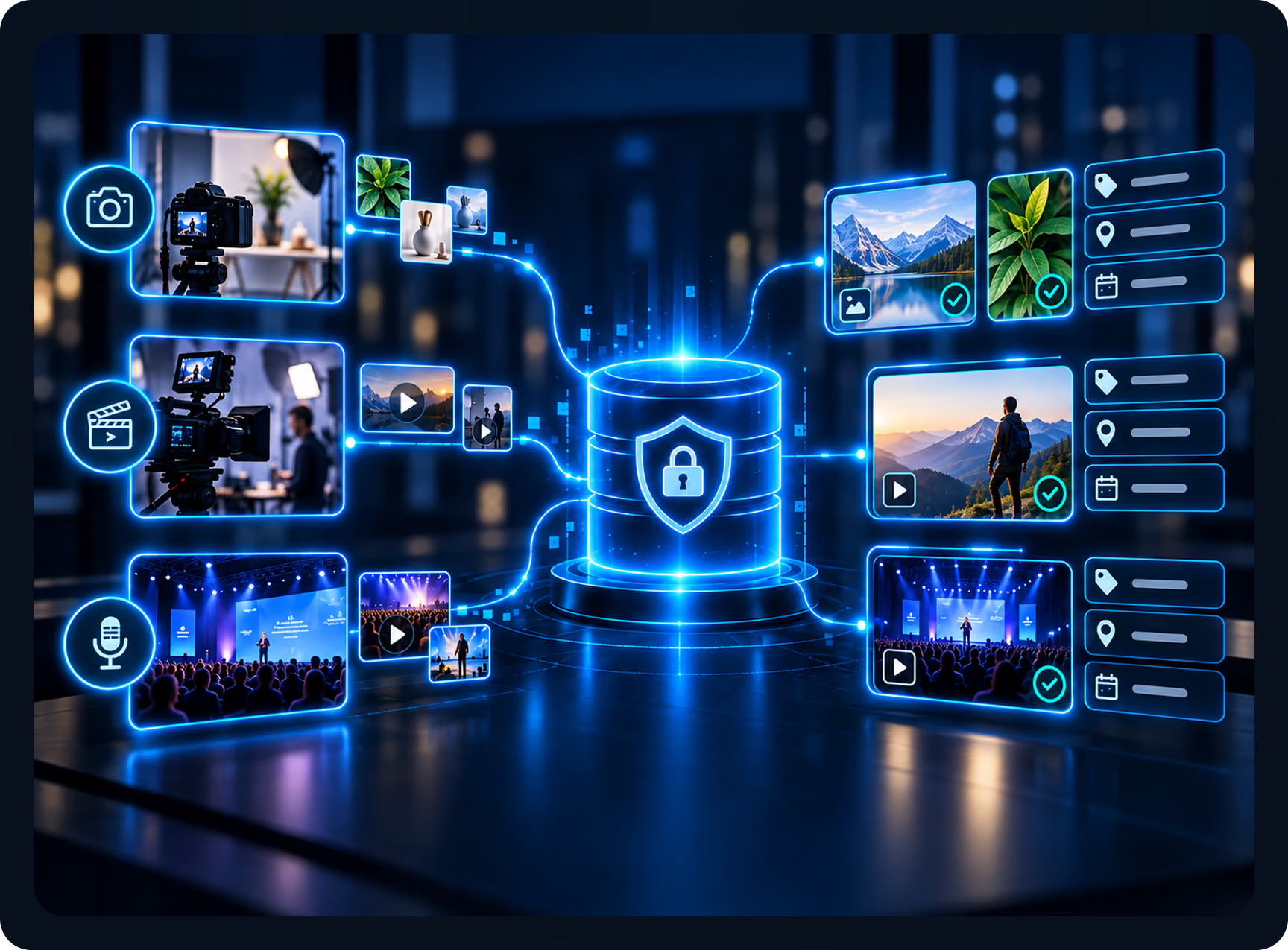

Capture Anywhere. Create Instantly.
Ingest Seamlessly.
What This Looks Like in Practice

Educational and research libraries
Universities, research institutions, and continuing education programs managing lectures, course materials, research archives, and institutional content. AI-driven discovery across decades of recordings; multilingual transcription; sovereign deployment for institutions with data residency requirements.

Broadcast and media archives
News organizations, networks, and content libraries managing decades of footage. Federated storage across mixed tiers; AI-driven discovery across petabyte-scale archives; ioPortal for affiliate and partner access.

Corporate and institutional libraries
Brand archives, marketing content libraries, training materials, and corporate event recordings. Single governed library with role-aware portals for different audiences (employees, partners, customers).

Cultural heritage and historical archives
Museums, libraries, archives, and cultural heritage institutions managing digitized collections. Document Intelligence OCR for historical materials; sovereign deployment for institutions managing irreplaceable content; audit-by-default for provenance tracking.
Frequently Asked Questions

Cloud storage holds files. ioMoVo coordinates AI workflows, governance, and external sharing across whatever storage your library uses. Google Drive, OneDrive, Dropbox, AWS S3, Azure Blob, on-prem object stores, plus the new Backblaze B2, Seagate, and Ceph connectors all become part of a single governed media library.

Yes. Sovereign AI deployment via NVIDIA DGX Spark — open-source LLMs and vision models running on customer hardware. No cloud round-trip for inference. Cultural heritage institutions, research libraries, and IP-sensitive content libraries use this configuration.
No. Federated approach connects to existing storage. Media stays where it is; ioMoVo applies AI tagging, search, and workflow across it.
Vision AI for image and video content. Audio transcription with speaker identification. OCR for documents and scanned materials. Multimodal models that understand assets across types. Search by keyword, visual similarity, transcript text, or speaker — all in one query.
ioPortal — configurable, no-code portals with role-aware access. External users see only the assets and workflows they're authorized for. Time-bound CDN expiration for external deliveries with automatic access revocation.
Audit-by-default architecture. Granular permissions. Sovereign deployment options for institutions managing classified, IP-sensitive, or culturally significant content. Federated storage across mixed tiers without migration. Same platform whether the library is gigabytes or petabytes.
Govern your media library at AI scale
See how ioMoVo unifies AI-driven discovery, automated workflows, and federated storage under a governed platform that scales with your library.