معضلة شركات الاستشارات: لماذا يتطلب دمج الذكاء الاصطناعي شركاء في البنية التحتية

تفشل 95% من مشاريع الذكاء الاصطناعي التجريبية في المؤسسات. ليس لأن الاستراتيجية خاطئة. بل لأن البنية التحتية غير مهيأة.
تكشف أبحاث معهد ماساتشوستس للتكنولوجيا (MIT) أن الشركات استثمرت ما بين 30 إلى 40 مليار دولار في الذكاء الاصطناعي المؤسسي دون تحقيق أي عائد يذكر. فقط 26% من الشركات طورت القدرات اللازمة لتجاوز مرحلة إثبات المفهوم وتحقيق قيمة ملموسة.
يتكرر هذا النمط في مختلف القطاعات؛ حيث تقدم شركات الاستشارات خططاً استراتيجية مبهرة، وتنجح المشاريع التجريبية في بيئات محكومة. لكنها تفشل عند الانتقال إلى مرحلة الإنتاج الفعلي.
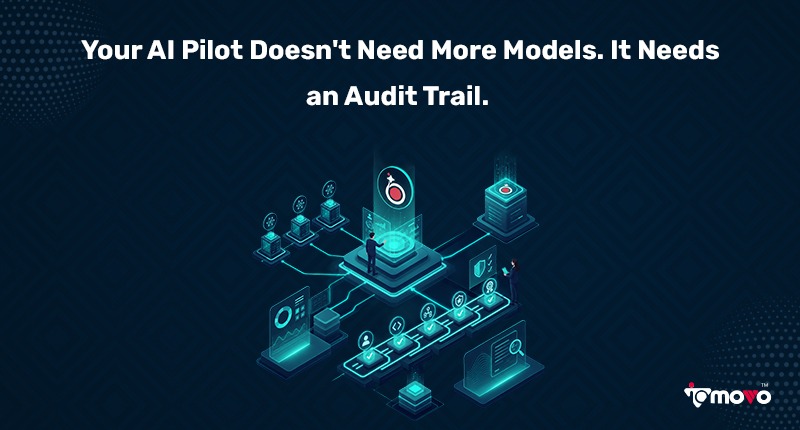
الفجوة ليست في الرؤية أو خارطة الطريق أو خبرة إدارة التغيير، بل في البنية التحتية. نحن بحاجة إلى خطوط أنابيب بيانات قادرة على تحمل أعباء العمل الإنتاجية، وإدارة بيانات وصفية تتيح سهولة الاكتشاف، وأطر عمل للصلاحيات تلبي متطلبات الامتثال، ومسارات تدقيق تثبت الحوكمة.
87% من مشاريع علوم البيانات لا تصل أبداً إلى مرحلة الإنتاج بسبب تعقيدات التكامل. كما تظهر أبحاث مجموعة بوسطن الاستشارية (BCG) أن 70% من حالات فشل الذكاء الاصطناعي تنبع من مشاكل تتعلق بالأفراد والعمليات، وليس بالخوارزميات. يواجه قطاع الاستشارات لحظة حاسمة؛ فالنموذج القديم كان فعالاً في عمليات التحول الرقمي والانتقال إلى السحابة. لكن هذا النموذج يفشل مع الذكاء الاصطناعي.
شركات الاستشارات تتفوق في الاستراتيجية، لا في البنية التحتية
تتمتع شركات الاستشارات بكفاءة عالمية في وضع الرؤى وخرائط الطريق وإدارة التغيير، لكن الذكاء الاصطناعي يتطلب شيئاً مختلفاً: بنية تحتية للبيانات بمستوى إنتاجي. مشكلة التسليم هي ما يميز نموذج الاستشارات الحالي؛ فالشركات تتفوق في الاستراتيجية وتطوير المشاريع التجريبية. لكنها غالباً ما تختفي عندما تبدأ مرحلة التنفيذ الكامل. صرح مسؤولون تنفيذيون في شركتي ميرك (Merck) وبريستول مايرز سكويب (Bristol-Myers Squibb) علناً بأن شركاء الاستشارات "يتعلمون على حساب العميل."
شركات مثل ميرك،بريستول مايرز سكويب، وسي في إس هيلث وجدت أن فرقها الداخلية في وضع أفضل لتنفيذ مبادرات الذكاء الاصطناعي. فالفِرق الداخلية تدرك التعقيدات التنظيمية وسير العمل التي يقضي الاستشاريون شهوراً في اكتشافها.
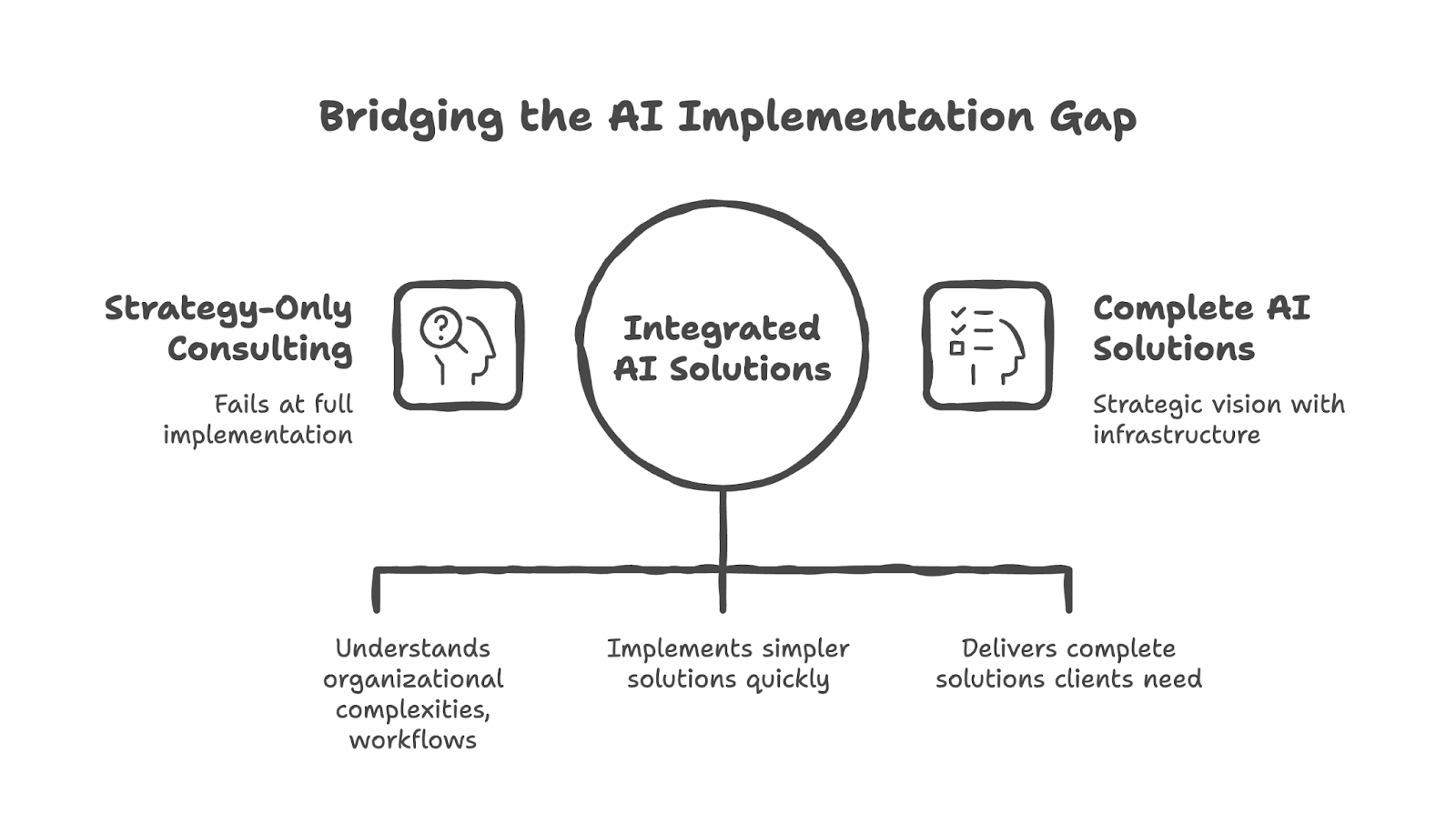
تطبق شركات الاستشارات الكبرى أطر عمل لإدارة التغيير صُممت لعمليات طرح تقني سابقة. وقد أنتجت هذه الأطر معدلات فشل بنسبة 70% حتى قبل دخول الذكاء الاصطناعي إلى المشهد. إن تطبيق أساليب الأمس على الذكاء الاصطناعي يؤدي إلى نتائج متوقعة.
تلقت شركة تجزئة متوسطة الحجم تعمل مع "أكسنتشر" توصية بنشر حل التعلم العميق الخاص بها خلال 8 أشهر. بينما قامت شركة استشارات متخصصة في الذكاء الاصطناعي بتنفيذ حل أبسط باستخدام الأدوات المتاحة في ستة أسابيع. ويتكرر النمط نفسه عبر مختلف القطاعات.
يكشف سوق تكامل الأنظمة عن القصة الحقيقية. توقعات السوق تشير إلى نمو من 553 مليار دولار في 2025إلى764 مليار دولار بحلول 2030، وهو ما يمثل 6.7% معدل النمو السنوي المركب. يستحوذ مكاملوا الأنظمة على 43 مليار دولار من الخدمات بحلول عام 2029 لأنهم يقدمون ما يحتاجه العملاء: حلول متكاملة.
حلول الأعمال للمؤسسات (B2B) التي تجمع بين الرؤية الاستراتيجية وتوفير البنية التحتية تحل محل المشاريع التي تقتصر على الاستراتيجية فقط.
لماذا تفشل الذكاء الاصطناعي بدون خطوط أنابيب البيانات
الاستراتيجية لا تفشل، لكن البنية التحتية هي التي تفشل.
بدون خطوط أنابيب بيانات جاهزة للإنتاج، وإدارة البيانات الوصفية، وأطر عمل الأذونات، ومسارات التدقيق، لن يتجاوز الذكاء الاصطناعي مرحلة التجربة أبداً. تحدد أربعة مكونات للبنية التحتية النجاح أو الفشل.
خطوط أنابيب البيانات
تقضي فرق البيانات 44% من وقتها في بناء وصيانة خطوط الأنابيب بتكلفة متوسطة تبلغ 520,000 دولار سنوياً. يجب على المؤسسات التعامل مع البيانات المهيكلة وشبه المهيكلة وغير المهيكلة. تقدر غارتنر أن 70% إلى 90% من بيانات المؤسسات هي غير مهيكلة.
تعقيد التكامل يقضي على المشاريع. 87% من مشاريع علوم البيانات لا تصل أبداً إلى مرحلة الإنتاج لأن أنظمة الذكاء الاصطناعي لا يمكنها الاتصال بالأنظمة الحالية. ما يبدو كاتصال بسيط عبر واجهة برمجة التطبيقات (API) يتحول إلى مشروع تكامل أنظمة بملايين الدولارات.
إدارة البيانات الوصفية
تحتاج المؤسسات إلى طبقة بيانات وصفية موحدة عبر جميع مجموعات البيانات وخطوط الأنابيب. تعد سير العمل القائمة على البيانات الوصفية ضرورية للاكتشاف والامتثال. يجب أن تتتبع وسوم البيانات الوصفية المخصصة مصدر البيانات وتفاصيل التكرار.
توفر ioHub طبقة البيانات الموحدة هذهنربط أكثر من 10 منصات تخزين في مصدر واحد موثوق للبيانات الوصفية، مما يقضي على جزر البيانات التي تعيق تنفيذ مشاريع الذكاء الاصطناعي.
الأذونات وضوابط الوصول
يُعد التحكم في الوصول القائم على الأدوار أمراً لا غنى عنه للذكاء الاصطناعي في المؤسسات. وتتطلب متطلبات إقامة البيانات ضوابط خاصة بكل ولاية قضائية، كما يجب أن تتعقب سجلات التدقيق من وصل إلى أي بيانات، ومتى، ولماذا.
سجلات التدقيق والامتثال
تتطلب الخدمات المالية الامتثال لقانون المرونة الرقمية التشغيلية (DORA). وتحتاج الرعاية الصحية إلى معالجة بيانات متوافقة مع قانون نقل التأمين الصحي والمسؤولية (HIPAA). وتتطلب الجهات الحكومية سيادة البيانات وخيارات النشر في بيئات معزولة (Air-gapped). كما تحتاج المؤسسات إلى سجلات غير قابلة للتلاعب من أجل تتبع الامتثال.
الأرقام تحكي القصة:
- 44% من المؤسسات تعتبر البنية التحتية لتكنولوجيا المعلومات العائق الأكبر أمام تبني الذكاء الاصطناعي
- 48% فقط من مشاريع الذكاء الاصطناعي تصل إلى مرحلة الإنتاج الفعلي
- من المتوقع أن ينمو سوق حوكمة البيانات من 5.38 مليار دولار في عام 2025 إلى 18 مليار دولار بحلول عام 2032، بمعدل نمو سنوي مركب قدره 18.9%
النموذج الجديد: شراكات الاستشارات والبنية التحتية
النموذج الناجح ليس قيام الاستشاريين ببناء البنية التحتية.
كما أن النموذج الناجح ليس قيام مزودي البنية التحتية بوضع الاستراتيجيات.
بل النموذج الناجح هو شراكات منظمة يركز فيها كل طرف على نقاط قوته.
مسؤوليات شركة الاستشارات:
- الرؤية الاستراتيجية وخارطة طريق الذكاء الاصطناعي
- تحديد حالات الاستخدام وترتيب أولوياتها
- إدارة التغيير وتخطيط الاعتماد
- مواءمة الإدارة التنفيذية وأطر الحوكمة
- إعادة تصميم العمليات التجارية
مسؤوليات شريك البنية التحتية:
- خطوط أنابيب البيانات المخصصة للإنتاج
- إدارة البيانات الوصفية وفهرسة البيانات
- Permission frameworks and access controls
- Audit trails and compliance tracking
- Hybrid and multi-cloud deployment architecture
- Integration with existing tools and workflows
This model works because consultants focus on high-margin strategy work, which they excel at. Infrastructure partners handle technical complexity. Clients get complete solutions, not just recommendations. Time to production drops from 8+ months to 6 weeks. Total cost of ownership decreases.
Real-world partnerships validate this approach:
Accenture partnered with Anthropic to train 30,000 employees on Claude. Accenture partnered with OpenAI in December 2025 to help enterprise clients bring agentic AI into core business functions. TCS expanded its partnership with Google Cloud to integrate Gemini Enterprise for agentic AI solutions. IBM acquired Hakkoda to enhance cloud data modernization and AI expertise.
System integrators are becoming enterprise AI architects. They orchestrate transformation rather than just implementing technology. Preview partners for Microsoft Sovereign Cloud include Accenture, IBM, Infosys, Capgemini, Dell, and NTT Data.
Workflow automation platforms like ioFlow enable these partnerships by providing drag-and-drop builders for approvals, routing, and notifications without code or IT setup requirements.
Enterprise Expectations: Compliance, Sovereignty, Hybrid
Enterprise and government AI programs have non-negotiable requirements. Infrastructure partners must deliver compliance-ready, sovereign-capable, hybrid-deployable solutions from day one.
Compliance Requirements
By 2026, half of the world's governments expect enterprises to adhere to AI laws and data privacy requirements. 85% of organizations already use AI services and must comply. Industry-specific compliance varies:
- HIPAA for healthcare
- DORA for financial services
- FedRAMP for government
- SOC 2, GDPR, and ISO 27001 across industries
Data Sovereignty
Data must remain within specific geographic boundaries throughout the AI lifecycle. The EU AI Act enforces data residency requirements. Countries are developing sovereign clouds. Germany launched its sovereign cloud initiative. France created Bleu, a joint venture between Orange and Capgemini, for the French public sector.
Cross-border data transfers face strict legal requirements. Some jurisdictions prohibit cross-border transfers entirely. Others require demonstrating legal necessity and maintaining local copies.
Hybrid Deployment Models
Enterprises need deployment flexibility:
- Public cloud for non-sensitive workloads
- Sovereign regions for regulated data
- On-premises and air-gapped options for government and defense
- Multi-cloud architecture to avoid vendor lock-in
71% of organizations deploy cloud-native architectures. Organizations leveraging cloud data pipelines see 3.7 times return on investment compared to traditional approaches.
Microsoft is expanding Sovereign Cloud to Australia, India, Japan, and the UK by the end of 2025. In 2026, expansion includes Canada, Germany, Italy, Malaysia, Poland, South Africa, Spain, Sweden, Switzerland, the UAE, and the US. Data Guardian ensures only EU-resident personnel control remote access to European systems.
SAP and Cohere announced the EU AI Cloud in November 2025 for European enterprises. The offering addresses data sovereignty and regulatory alignment with model deployment within strict EU boundaries.
ioCloud provides hybrid and sovereign deployment options that meet these enterprise requirements. Government solutions address the specific needs of public sector AI programs requiring data sovereignty and air-gapped deployment.
ioMoVo as the Intelligence Layer Partner
System integrators and consulting firms need infrastructure partners who understand both AI and enterprise requirements. ioMoVo delivers the intelligence layer that makes AI initiatives production-ready.
Unified Data Layer
ioHub connects Google Drive, SharePoint, Dropbox, AWS, Azure, and on-premises servers into a single platform. This creates a single source of truth for metadata across all datasets. AI can access complete datasets required for training and inference without data silos blocking implementation.
AI-Powered Intelligence
ioAI provides natural language search across all enterprise content. Auto-tagging, transcription, summarization, and sentiment detection happen automatically. The platform generates intelligence without exposing data to third-party LLMs. AI is embedded directly into workflows rather than bolted on afterward.
Workflow Automation
ioFlow offers a drag-and-drop workflow builder for approvals, routing, and notifications. Automation works by file type, content, team, or status. Integration spans ioMoVo modules and external storage platforms. No code or IT setup is required.
Secure Client Delivery
ioPortal creates branded portals for stakeholder collaboration. Watermarking, expiry dates, and access-level controls protect sensitive content. Approvals and feedback collection happen directly in the portal. The platform replaces file link chaos with structured trackability.
Deployment Flexibility
Cloud, hybrid, or on-premises deployment options support any enterprise architecture. Sovereign regions satisfy data residency requirements. Air-gapped environments serve government and defense needs. The platform works with existing IT infrastructure.
Compliance-Ready Architecture
SOC 2, GDPR, and HIPAA compliance come out of the box. Role-based access controls and audit trails satisfy regulatory requirements. Data processing stays within specified jurisdictions. Tamper-evident logging supports compliance tracking.
Consulting firms choose ioMoVo because it enables them to focus on strategy rather than infrastructure buildout. The platform delivers production-grade AI infrastructure in weeks instead of months. Integration with Adobe, Microsoft, and Avid embeds into client workflows. The architecture scales from pilot to enterprise without re-architecture.
Use cases span industries:
- Media organizations process petabytes locally and avoid egress fees
- Government agencies comply with data sovereignty while leveraging AI
- Financial services achieve DORA compliance with audit trails
- Healthcare processes data with HIPAA compliance and local inference
The Future of Consulting: From PowerPoint to Pipelines
The consulting firms that thrive in the AI era won't be the ones with the best slide decks. But they'll definitely be the ones with the best infrastructure partners.
Clients expect end-to-end solutions, not just recommendations. Learning on the client's dime is no longer acceptable. Partnerships are becoming competitive differentiators.
Analysts foresee a second wave in four to five years once AI use cases mature and best practices are established. Consultants may see a resurgence in helping industrialize systems securely. But the first wave belongs to firms that can deliver infrastructure now.
The partnership ecosystem is growing. Microsoft launched its Digital Sovereignty specialization. Preview partners include Accenture, IBM, Infosys, Capgemini, Dell, NTT Data, Orange, and Telefónica. System integrators are capturing $43 billion in services by 2029.
What separates winners from losers?
Winners build strategic partnerships with infrastructure platforms. Losers try to build everything in-house or stay strategy-only. The market reality is clear: enterprises want fewer vendors and complete solutions.
The Infrastructure Imperative
95% of AI pilots fail not because the strategy is wrong but because infrastructure simply isn't there yet.
Consulting firms excel at vision. They struggle with production-grade data pipelines, metadata management, permissions frameworks, and audit trails. The winning model combines consulting expertise with infrastructure partnerships where each does what they do best.
Enterprise requirements are non-negotiable. Compliance, sovereignty, and hybrid deployment must be built in from day one. System integrators need partners who deliver intelligence layers, not just storage.
Become an ioMoVo Partner
Integrators can embed ioMoVo in enterprise and government AI programs. وفّر طبقة البنية التحتية التي تعتمد عليها استراتيجيتك.
السؤال ليس عما إذا كان الذكاء الاصطناعي سيُحدث تحولاً في المؤسسات، بل عما إذا كانت ممارساتك الاستشارية تمتلك شركاء البنية التحتية القادرين على الوفاء بهذا الوعد. أو عما إذا كان العملاء سيجدون شركات أخرى توفر ذلك.
املأ النموذج أدناه للبدء!
Transform How Your Organization Manages Content
Unlock hidden value in your content with AI — faster discovery, better workflows, and organized collaboration
Ready to see how ioMoVo can fit your team?