.svg)
Governed Digital Asset Management for Education
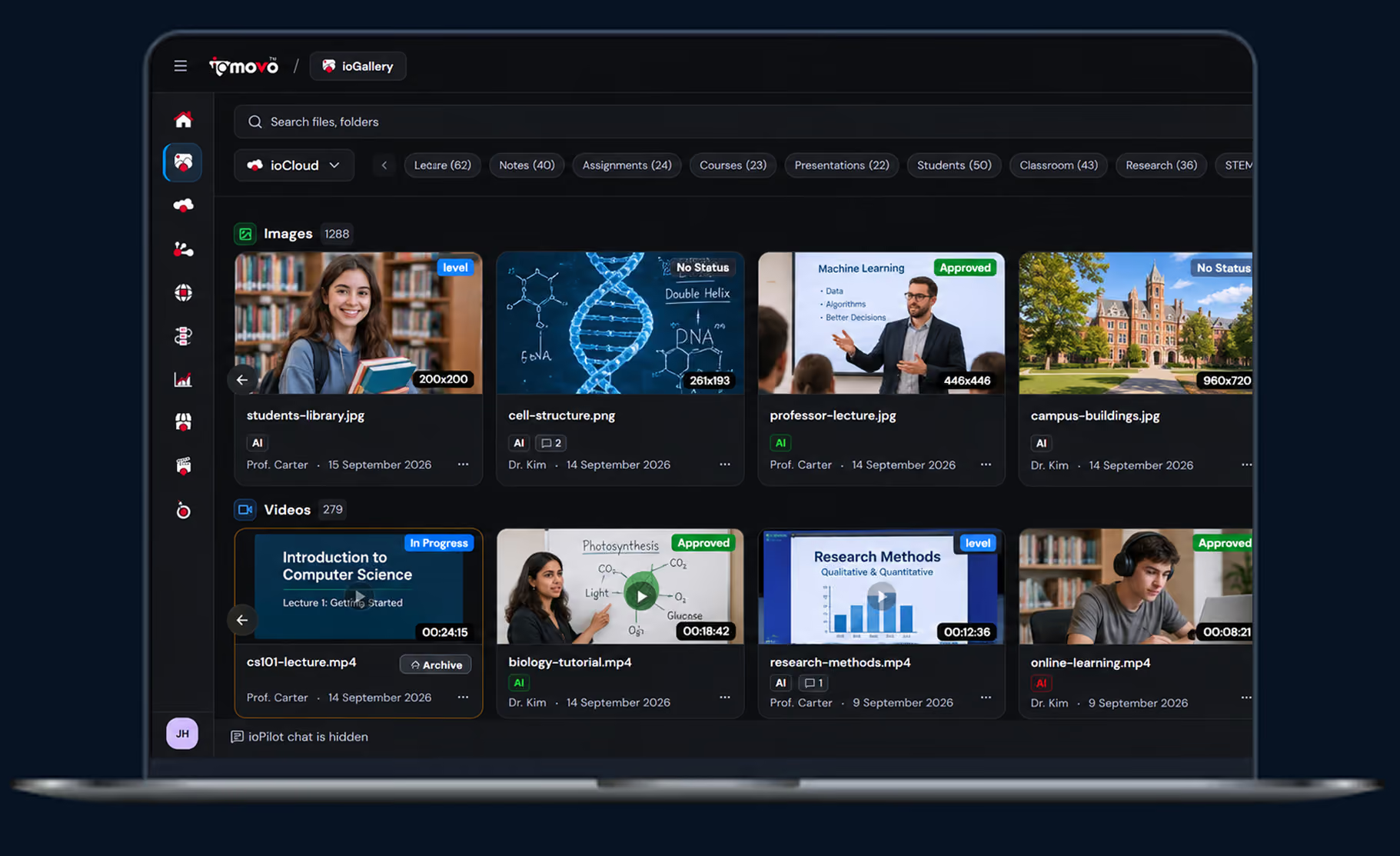
From K-12 districts to research universities, ioMoVo helps educational institutions manage their digital content libraries (videos, lectures, course materials, archives, and marketing assets) under existing governance, with AI driven discovery, multilingual transcription, and accessibility automation. Sovereign deployment options serve public institutions with data residency requirements.

Data Sovereignty
AI Governance
Accessibility Compliance
Secure Content Management
Why Educational Institutions Choose ioMoVo
Traditional storage doesn't help with discovery; traditional content management doesn't handle AI; traditional AI platforms don't handle FERPA. ioMoVo is education software built to unify all three: governed agentic AI orchestration, federated storage across your existing systems, and sovereign deployment options for institutions requiring data residency. The result is a significant reduction in manual content search and tagging effort, so staff spend less time hunting for files and more time teaching with them.
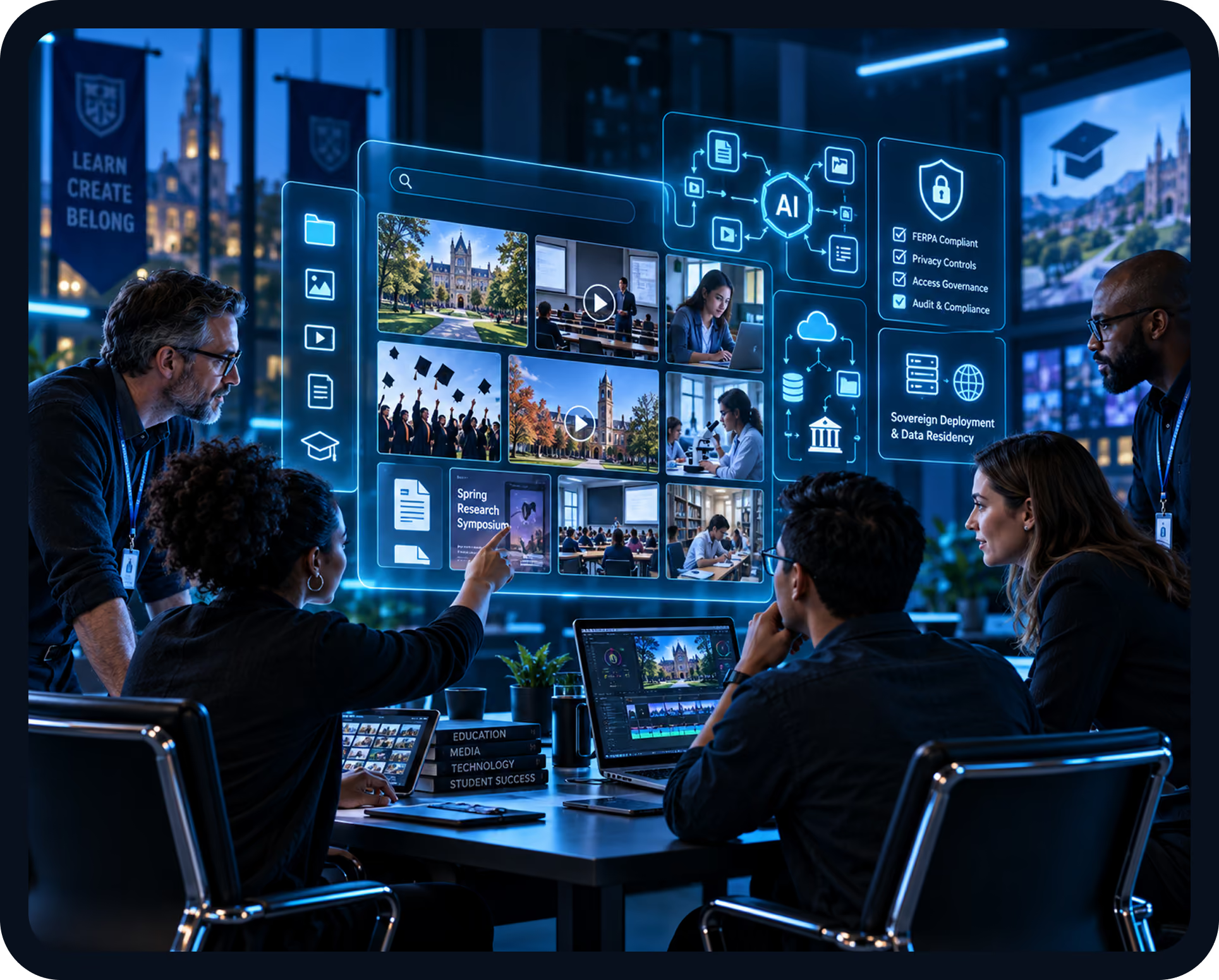
Education Content Management with Governed AI
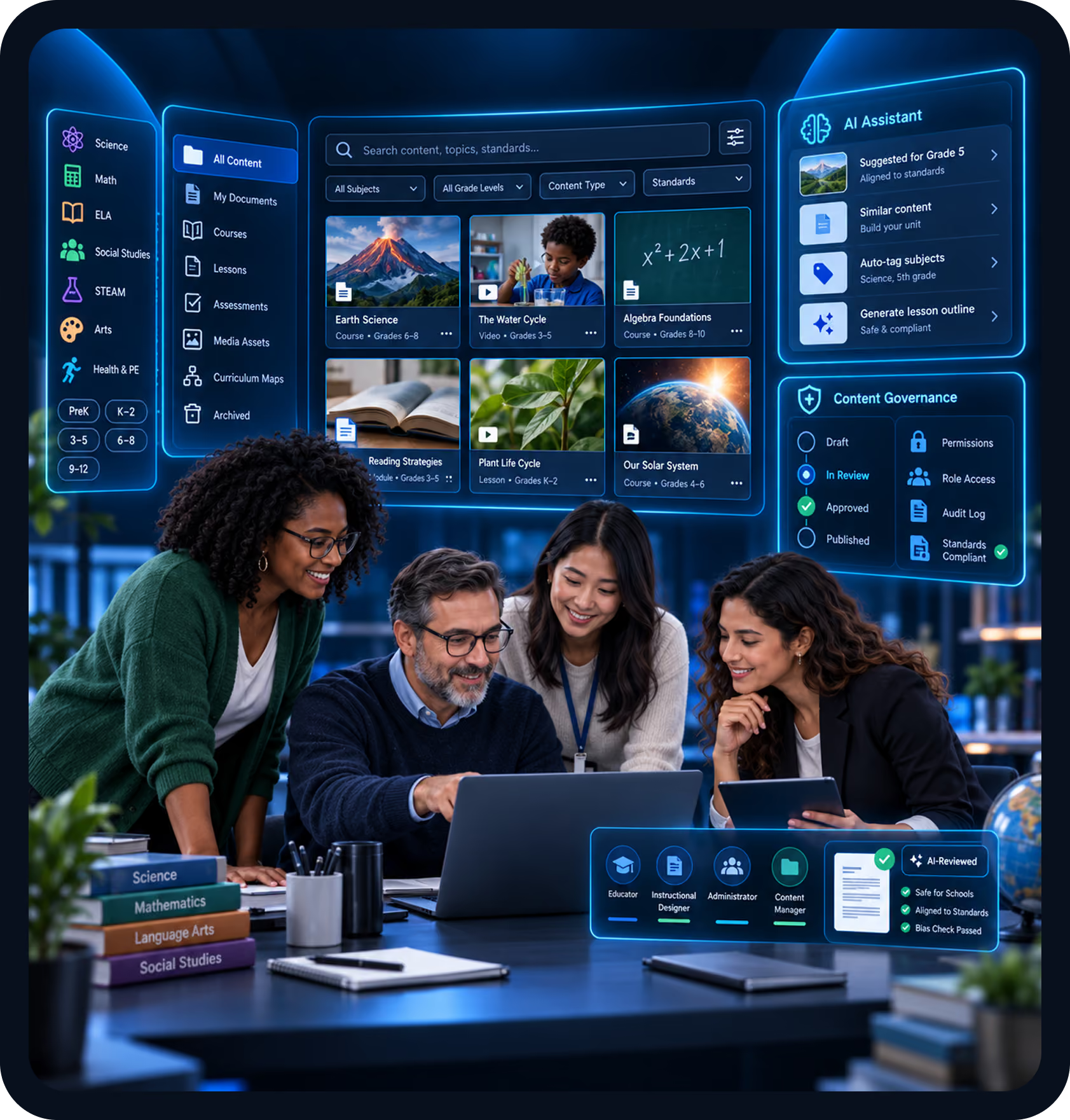
Multilingual transcription and translation
ioGallery's transcription service handles audio and video in multiple languages with neural machine translation between them. Lecture recordings transcribed and translated. International student materials translated to native languages. Closed captioning and subtitles generated automatically to support accessibility work.
Accessibility automation
Automatically generated captions, alt text on images, transcript summaries, and accessibility scoring. Every asset's accessibility metadata is auditable, linkable to the source, and exportable for compliance reporting. This matters now: under the updated ADA Title II rule, public colleges, universities, and school districts must meet WCAG 2.1 AA by April 2027 or April 2028 depending on size, and that includes content delivered through vendors. Automatic captions and transcripts, ready for human review, help teams work through lecture video backlogs faster.
Document Intelligence for archival materials
Document Intelligence OCR handles scanned thesis archives, historical documents, course catalogs, accreditation records, in formats including PDF, DOCX, PPT, and image based documents. Click to locate navigation jumps users directly to the matched content with visual overlay.
FERPA aware content governance
Audit by default architecture logs every AI action, every access, every workflow step. Granular permissions enforce student privacy at the asset level. Sovereign deployment options for institutions requiring on premise AI inference, with open source LLMs running on the institution's own infrastructure and no cloud round trip. ioMoVo also holds a clean SOC 2 Type II report covering Security, Availability, and Confidentiality for the period ended August 2026, available to security reviewers on request.
How the ioMoVo Platform Powers
Education
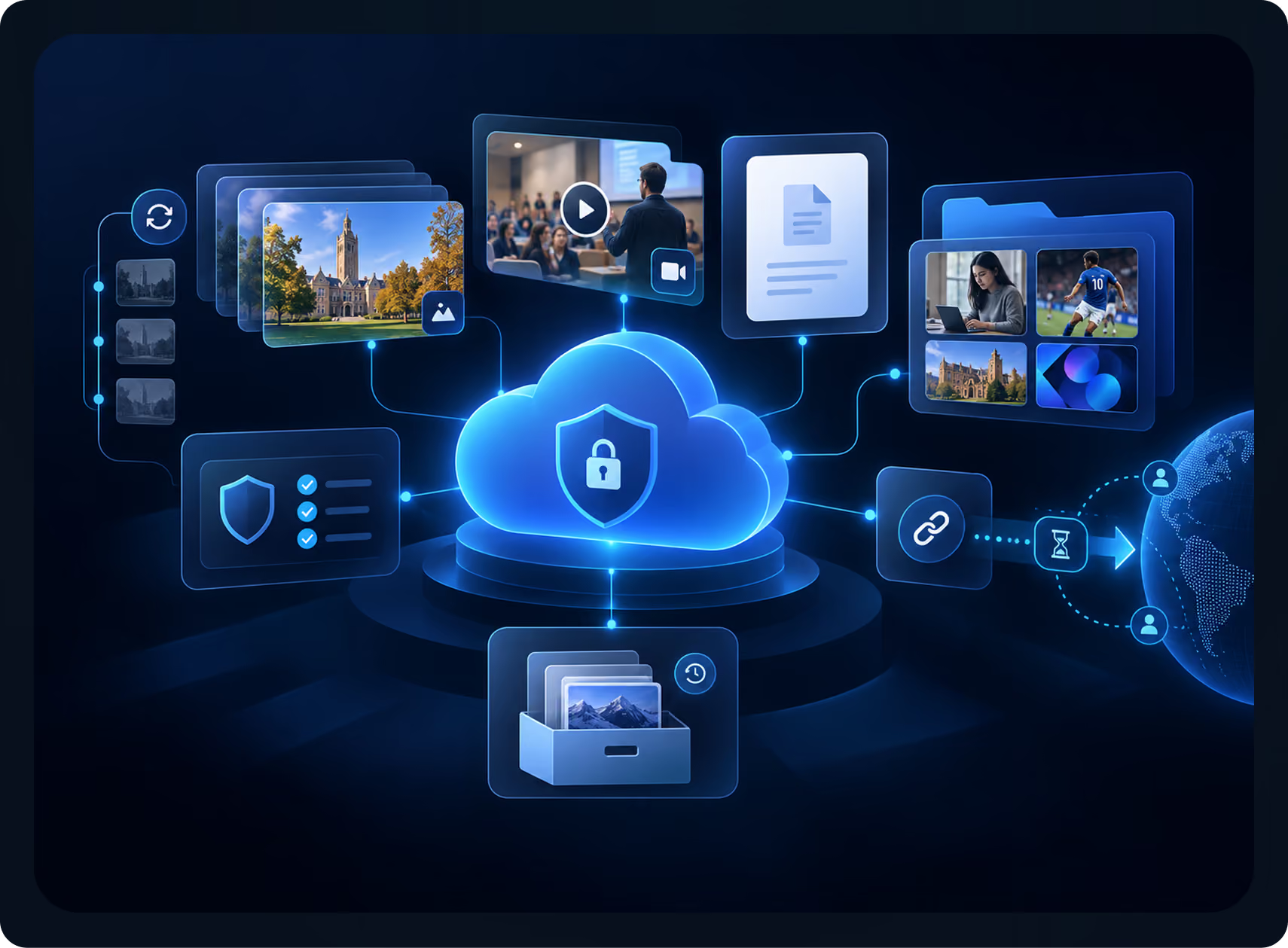

Store. Organize. Govern.

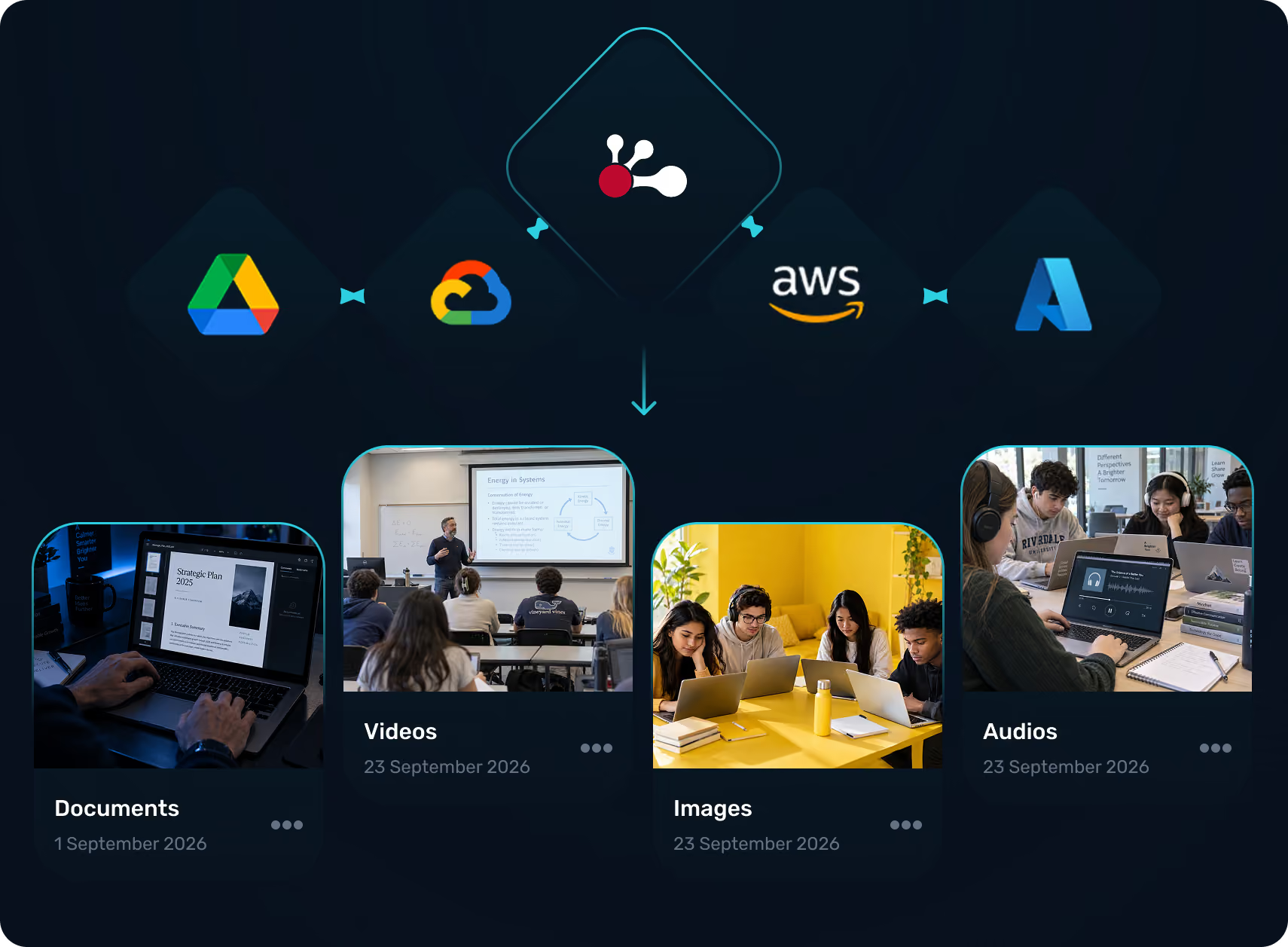
Connect. Index. Federate.
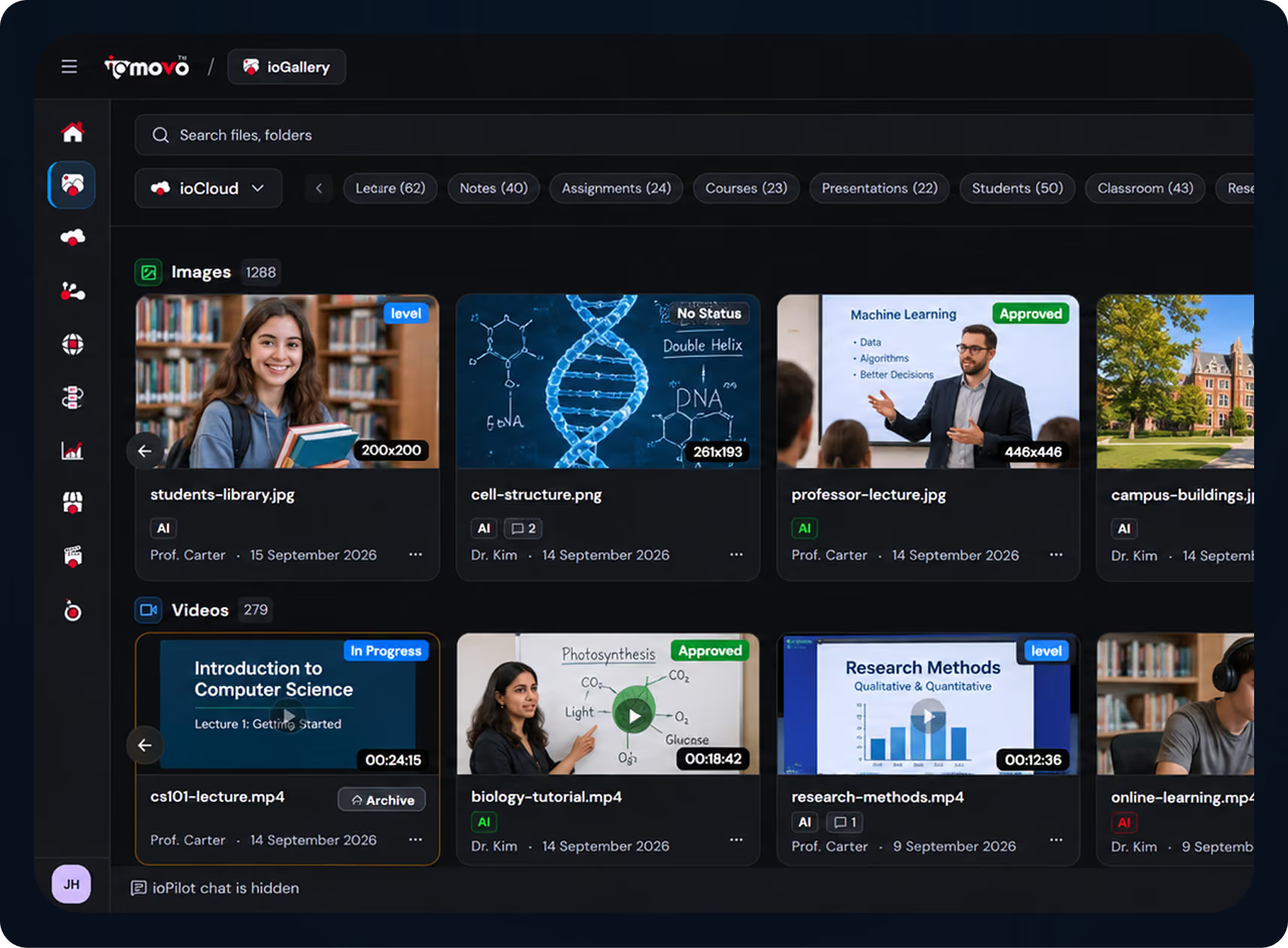

Browse. Organize. Discover

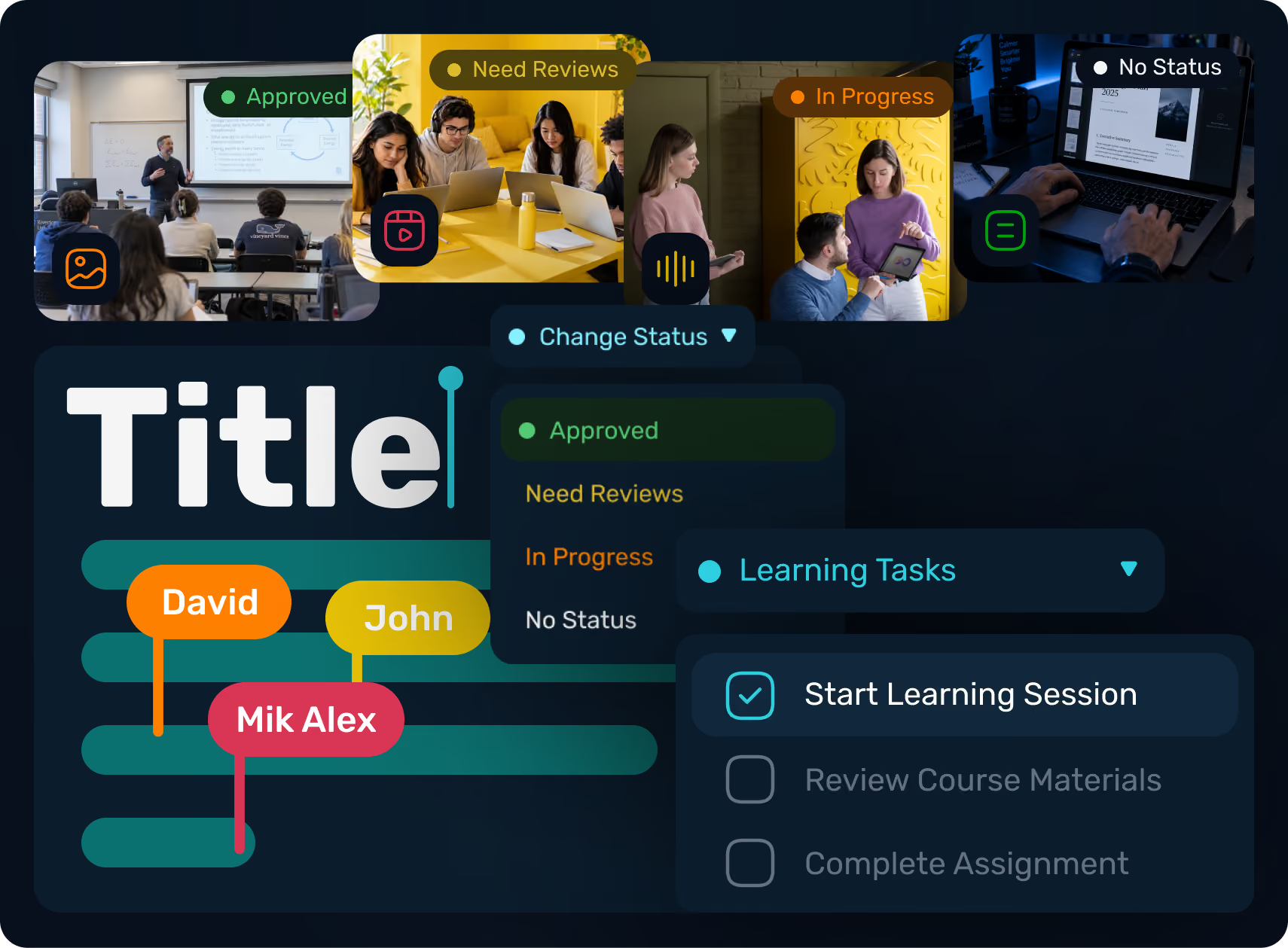
Automate. Orchestrate. Deliver.
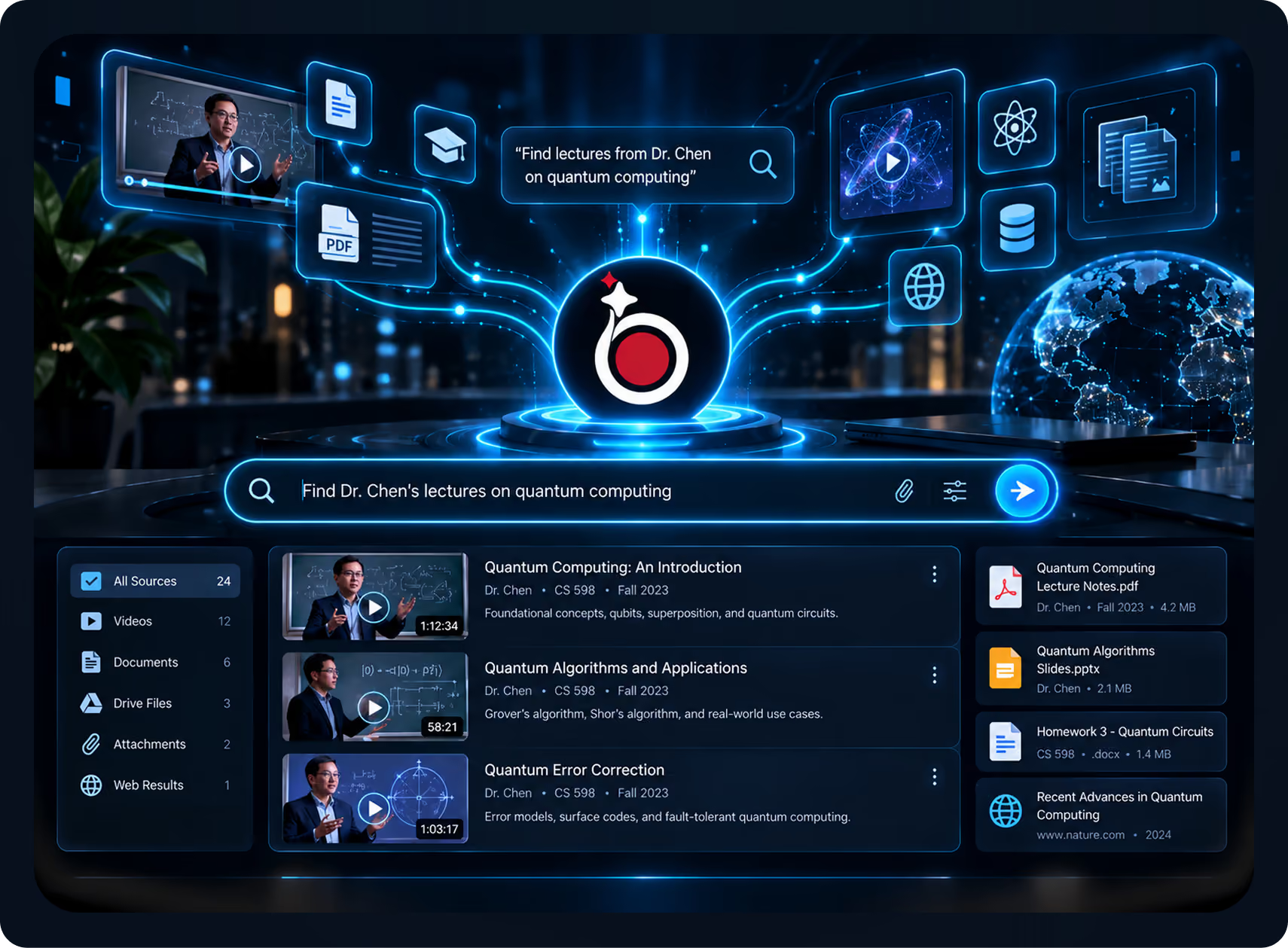

Chat. Discover. Act.

Share. Collaborate. Engage.
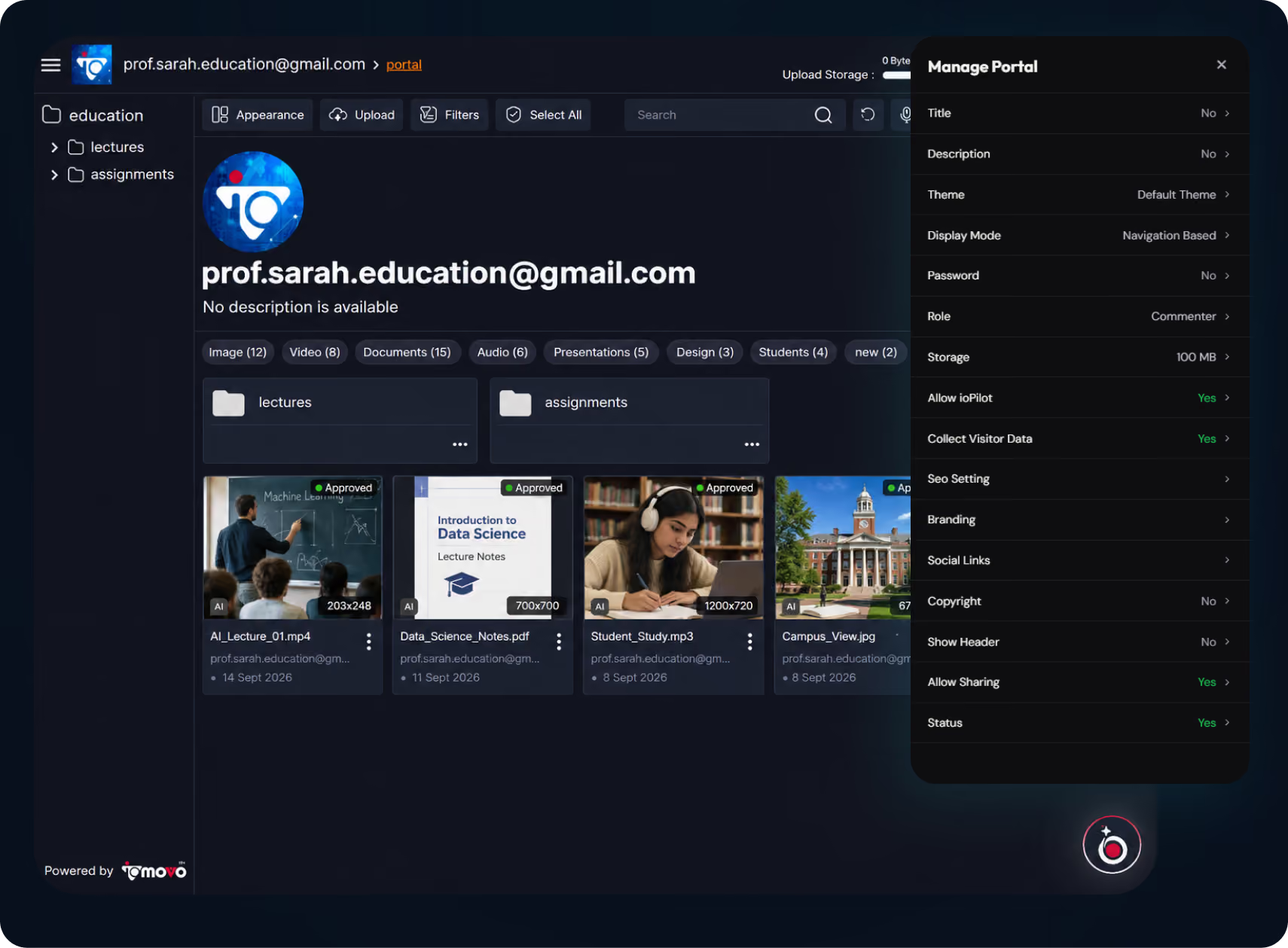
Branded, Secure Sharing
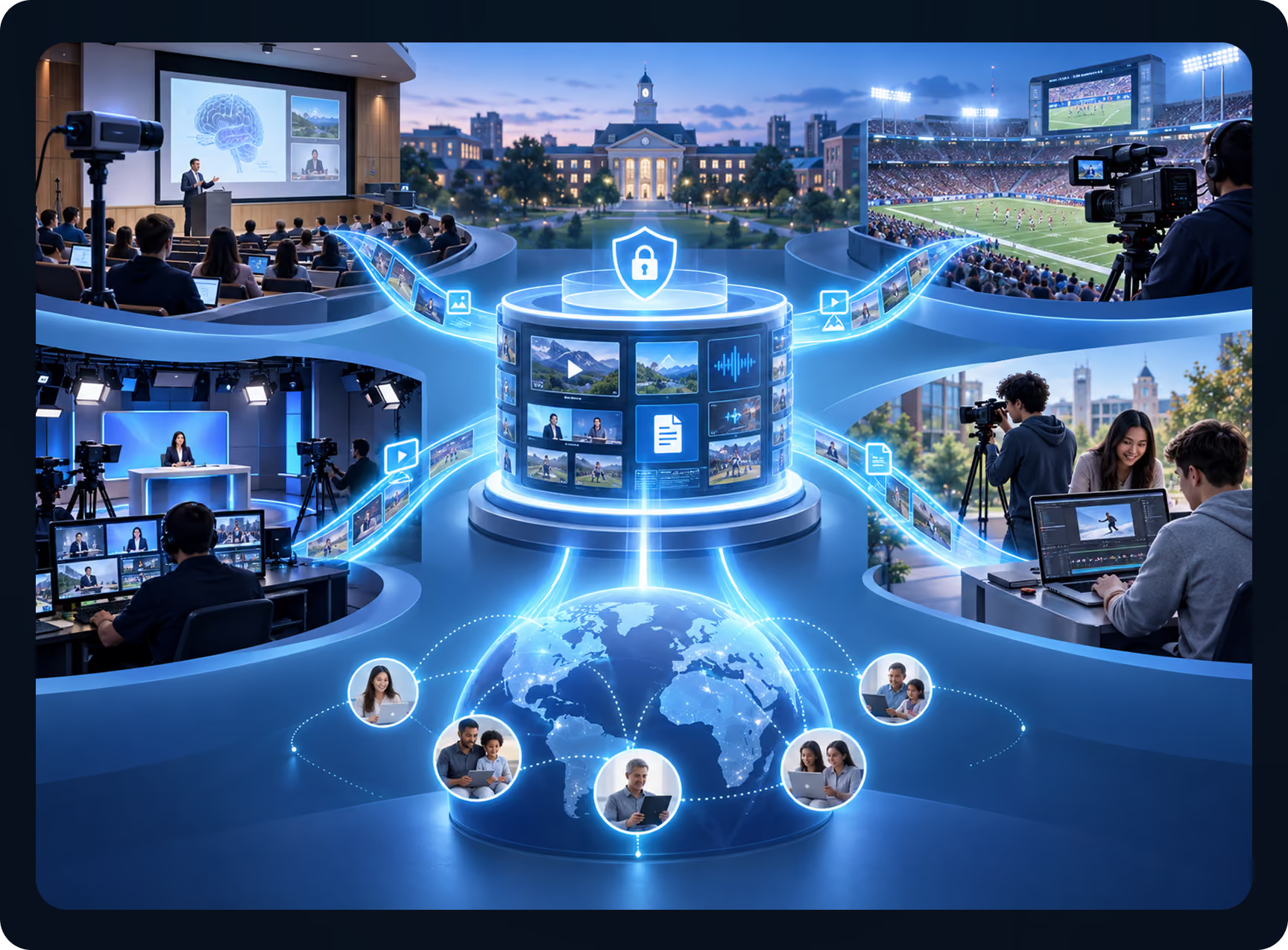

Capture Anywhere. Create Instantly. Ingest Seamlessly.
Works With Your Learning Management
System

Testing and Running


In progress
Next on our list
Testing and Running
Frequently Asked Questions

ioMoVo's architecture supports FERPA aligned deployment configurations. Audit by default logging, granular permissions, and on premise AI inference options enable institutions to meet FERPA requirements while leveraging modern AI driven content management. Final compliance always depends on the institution's specific deployment configuration and policies.

Yes. Sovereign AI deployment via NVIDIA DGX Spark, with open source LLMs and vision models running on institutional hardware. No cloud round trip for inference or platform telemetry. The configuration is built for public universities with data residency requirements and research institutions managing IP sensitive or restricted content.
ioMoVo connects to your learning management system through LTI 1.3. We've tested with Moodle and LearnWorlds, Canvas is in progress, and Blackboard, D2L Brightspace, Schoology, Sakai, and Open edX are next. If your LMS supports LTI, reach out and we'll work with your team to get it running. On the storage side, ioMoVo connects to Microsoft 365, Google Workspace, AWS, Azure Blob, Google Drive, OneDrive, Dropbox, Backblaze B2, Seagate, Ceph, and on premise object stores. Content stays in place; ioMoVo adds AI tagging, search, and workflow across all of them. Unlike point solutions built for a single LMS, ioMoVo is education software designed to sit across your entire storage and learning ecosystem.
Multiple languages supported through ioGallery's neural transcription and translation. Specific language coverage varies by AI model, and institutions can bring their own AI models, including specialized educational language models.
Yes. The platform serves both. K-12 districts use ioPortal for parent and teacher communication and multilingual content delivery; higher education institutions leverage research archives, lecture capture, and institutional marketing. Same platform, different configurations.
Yes. ioMoVo holds a clean SOC 2 Type II report covering Security, Availability, and Confidentiality for the period ended August 2026, with zero exceptions across the 140 controls tested. Security and procurement teams can request a copy.
Modern AI for educational content: governed, accessible, sovereign
See how ioMoVo helps educational institutions manage content libraries with AI driven discovery, multilingual support, and on premise deployment options for the institutions that need them.